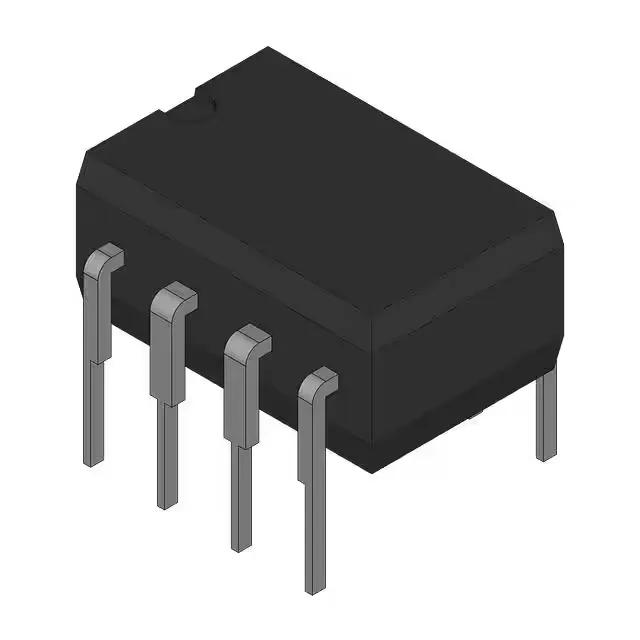
Texas Instruments SN75LBC184P — Discrete Semiconductors

SN75LBC184P RS-485 Transceiver, 250 kbps, Half-Duplex

MPNSN75LBC184P
End of Life

Texas Instruments SN75LBC184P RS-422/RS-485 half-duplex transceiver, 250 kbps data rate, 1/1 driver/receiver, 8-PDIP through-hole package, 4.75-5.25 V supply, 0°C to 70°C.

$5.69Ref. price · indicative, final on quote
Packaging8-DIP (0.300", 7.62mm)
RoHSROHS3 Compliant
Sourced new & surplus through independent channelsAuthenticity-screened · ESD-safe packingListing updated Aug 2026

Specifications

SN75LBC184P specifications
ParameterValue
TypeTransceiver
MountingThrough Hole
Voltage4.75V ~ 5.25V
ProtocolRS422, RS485
Operating temperature0°C ~ 70°C
DuplexHalf
PackageTube
Data rate250kbps
Case8-DIP (0.300\", 7.62mm)
Receiver hysteresis70 mV
Number of drivers (Receivers)1/1

Product details

RS-485 bus transceiver in a through-hole DIP

The SN75LBC184P: It integrates one driver and one receiver on the same die, with 70 mV of receiver hysteresis to reject noise on long bus runs.

It is ROHS3 compliant, meeting the latest EU restriction-of-hazardous-substances directive for lead-free assembly.

Through-hole package and board integration

Housed in an 8-DIP (0.300-inch, 7.62 mm pitch) through-hole package, the SN75LBC184P mounts directly into a standard DIP socket or solders into plated through-holes on a PCB. The PDIP body is 0.300 inches wide, fitting into legacy 8-pin footprints without a board spin — a common requirement for retrofitting RS-485 nodes into existing control panels.

Frequently asked questions

What is the data rate and protocol of SN75LBC184P?

It supports RS-422 and RS-485 protocols at a maximum data rate of 250 kbps in half-duplex mode, with one driver and one receiver.

Will SN75LBC184P drop into a board designed for SN65HVD233MDREP without rewiring?

No — the SN65HVD233MDREP is a CANbus transceiver in a surface-mount package with a 3.0 V supply, while the SN75LBC184P is an RS-485 transceiver in a through-hole PDIP package running on 5 V. They are not pin-compatible or functionally interchangeable without a board redesign.