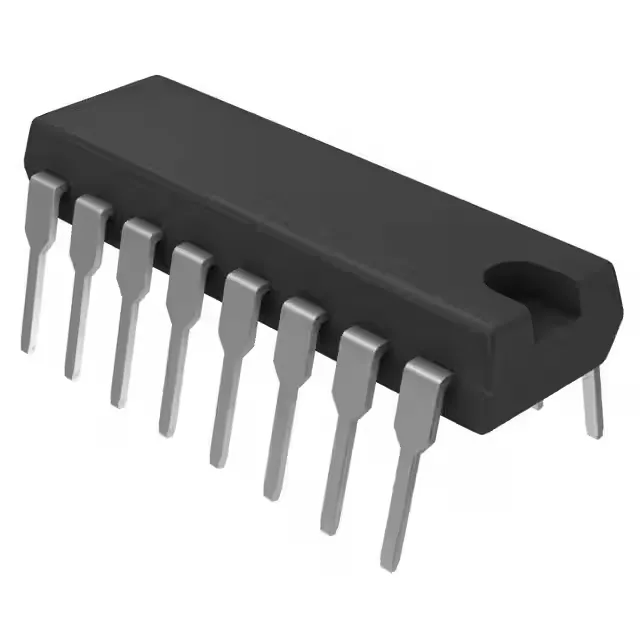
Texas Instruments SN75LBC175N — Sensors & Transducers

SN75LBC175N Quad RS-422/RS-485 Receiver – TI 16-DIP

MPNSN75LBC175N
End of Life

Texas Instruments SN75LBC175N, quad RS-422/RS-423/RS-485 line receiver, 0/4 drivers/receivers, 4.75V–5.25V supply, 45 mV hysteresis, 0°C–70°C, 16-DIP (0.300", 7.62 mm) through-hole package.

$5.7Ref. price · indicative, final on quote
Packaging16-DIP (0.300", 7.62mm)
StockContact for availability
MOQ1 pcs
  • 100% new & originalTraceable channels only — no refurbs, no pulls, no remarked parts.
  • Date & lot codes on quoteStated per line before you commit; label photos on request.
  • MSL-compliant ESD packingMoisture-sealed bags with indicator cards; reels photo-verified.
  • PayPal buyer protectionPay by T/T, PayPal or Payoneer — card payments covered end to end.

Specifications

SN75LBC175N Technical Specifications
ParameterValue
TypeReceiver
Mounting typeThrough Hole
Voltage4.75V ~ 5.25V
ProtocolRS422, RS423, RS485
Operating temperature0°C ~ 70°C
PackageTube
Case16-DIP (0.300\", 7.62mm)
Receiver hysteresis45 mV
Number of drivers (Receivers)0/4

Product details

Quad RS-485 receiver in a through-hole DIP

The SN75LBC175N is a quad differential line receiver from Texas Instruments, designed for RS-422, RS-423, and RS-485 networks. It packs four independent receivers into a single 16-pin DIP package, making it a compact choice for multi-drop bus interfaces where you need to listen to multiple nodes without dedicating separate ICs per channel. Each receiver converts a differential bus signal into a single-ended logic output, with a typical input hysteresis of 45 mV to reject noise on long cable runs. The supply range is 4.75 V to 5.25 V, so it runs directly off a standard 5 V rail without an extra regulator.

Supply rail and noise margin for bus interfaces

The 4.75 V to 5.25 V supply range means the part stays within spec even if your 5 V rail droops by 250 mV under load — common on long backplanes or daisy-chained bus boards. The 45 mV hysteresis is the key number for signal integrity: it sets the dead band where the receiver ignores small fluctuations on the differential pair, so a 100-metre RS-485 run at 115 kbps stays clean without external filtering. Compared to a part like the SN75LBC176 (a single transceiver), the SN75LBC175N is purely a receiver — no driver on chip. That matters if your bus topology is receive-only (e.g., a monitoring node that never transmits) or if you already have a separate driver elsewhere on the board.

Active production — sourcing through distribution

The part ships in a tube (the standard through-hole DIP format), and the 16-DIP package is widely stocked.

Frequently asked questions

Is SN75LBC175N compatible with RS422 and RS485?

Yes, the SN75LBC175N is specified for RS-422, RS-423, and RS-485 protocols. It is a quad receiver, so it handles the receive side of a differential bus for any of those standards. For RS-485 you still need a separate driver (like the SN75LBC176) if your node also transmits.

Can SN75LBC175N be used as a replacement for SN75LBC176?

No — the SN75LBC176 is a single transceiver (driver + receiver), while the SN75LBC175N is a quad receiver with no driver. They are not pin-compatible and serve different roles on the bus. If you need a receiver-only replacement for a failed SN75LBC176, you would also need to add a separate driver elsewhere.