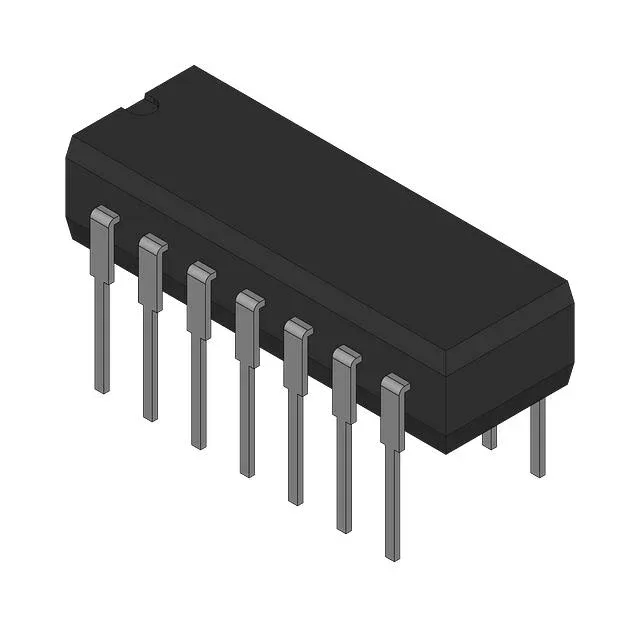
3-input TTL AND gate in the S series
The Texas Instruments SN74S11N is a 3-input AND gate from the S series of TTL logic devices. It performs the Boolean AND function on three inputs, delivering a high output only when all three inputs are high. This part is intended for through-hole assembly in legacy digital designs, prototyping, and rework of existing boards that use 5 V TTL logic levels.
Active lifecycle, but RoHS non-compliant
However, it is marked RoHS non-compliant, which is a critical distinction for any BOM requiring lead-free assembly per EU Directive 2011/65/EU. Designs that must meet RoHS compliance will need to evaluate a lead-free equivalent or accept the non-compliant status for exempt applications (e.g., certain military, aerospace, or medical sustainment programs).
Bulk packaging — what it means for procurement
This suits low-to-medium volume production runs, prototype builds, and repair stock. For high-volume automated insertion, verify that your pick-and-place or wave-solder feeder can handle tube-fed DIPs; otherwise, plan for manual placement or request a different packaging option if available.