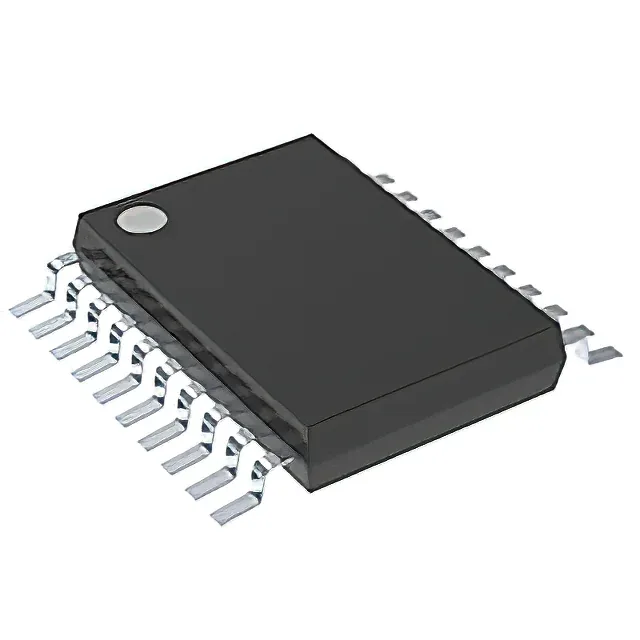
Texas Instruments SN74LVCH244APW — DC-DC Power Modules

SN74LVCH244APW 74LVCH Buffer, Non-Inverting, 1.65V-3.6V

MPNSN74LVCH244APW
End of Life

Texas Instruments 74LVCH series, SN74LVCH244APW, Buffer, Non-Inverting, 3-State output, 1.65V to 3.6V supply, 24mA drive, -40°C to 85°C, 20-TSSOP.

$1.08Ref. price · indicative, final on quote
Packaging20-TSSOP (0.173", 4.40mm Width)
RoHSROHS3 Compliant
Series74LVCH
Independent supplier — new & surplus stockAuthenticity-screened · ESD-safe packingListing updated Jul 2026

Specifications

SN74LVCH244APW specifications
ParameterValue
Series74LVCH
Logic typeBuffer, Non-Inverting
Output type3-State
MountingSurface Mount
Supply voltage1.65V ~ 3.6V
Current - output high, low24mA, 24mA
Operating temperature-40°C ~ 85°C (TA)
PackageTube
Case20-TSSOP (0.173\", 4.40mm Width)
Number of elements2
Number of bits per element4

Product details

Supply flexibility and signal integrity

The industrial temperature grade (-40°C to 85°C) covers most factory-floor, outdoor telecom cabinet, and HVAC controller environments. The 3-state outputs allow multiple buffers to share a common data bus — the outputs go high-impedance when the output-enable pin is inactive, preventing bus contention.

Frequently asked questions

What is the difference between SN74LVCH244APW and SN74LVC244APW?

The SN74LVCH244APW is the bus-hold version of the standard LVC244. The bus-hold circuit on each input eliminates the need for external pull-up or pull-down resistors on unused or floating inputs, which can simplify PCB layout and reduce component count in high-density designs.

Is SN74LVCH244APW RoHS compliant?

Yes, it is ROHS3 compliant, meeting the latest EU RoHS directive restrictions.

Is SN74LVCH244APW compatible with 3.3V logic?

Yes, the supply voltage range of 1.65V to 3.6V includes 3.3V, so it operates directly on a 3.3V rail and its output levels are compatible with standard 3.3V CMOS and TTL logic inputs.

Can SN74LVCH244APW be used as a level shifter?

It can translate between supply voltage domains within its 1.65V to 3.6V range. For example, driving a 3.3V input from a 1.8V output is possible if the 1.8V supply is VCC and the receiving device's VIH is met. It is not a dedicated level shifter with direction control, but it serves in simple unidirectional voltage translation scenarios.