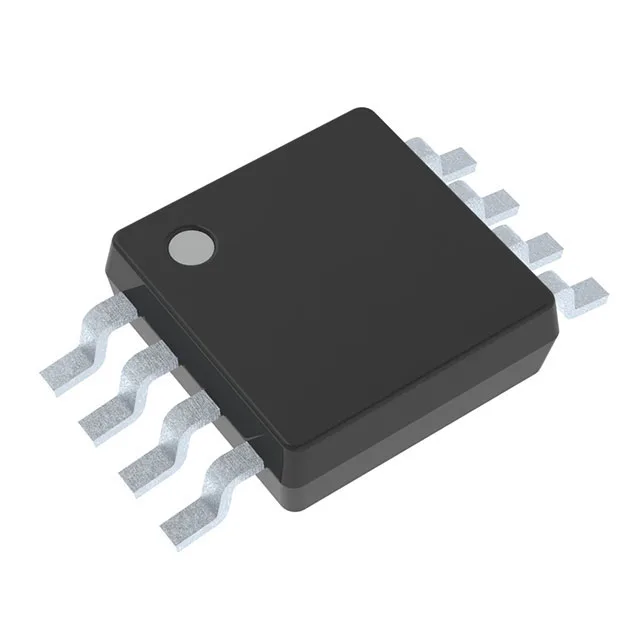
Texas Instruments SN74LVC2G74QDCURQ1 — Discrete Semiconductors

SN74LVC2G74QDCURQ1 D-Type Flip-Flop, AEC-Q100, 140 MHz

MPNSN74LVC2G74QDCURQ1
End of Life

Texas Instruments SN74LVC2G74QDCURQ1, Automotive AEC-Q100 74LVC series, single D-type flip-flop with Set(Preset) and Reset, Positive Edge trigger, Complementary output, 1.65V-5.5V supply, 140 MHz clock, -40°C to 125°C, 8-VSSOP package.

$0.83Ref. price · indicative, final on quote
Packaging8-VFSOP (0.091", 2.30mm Width)
StockContact for availability
MOQ1 pcs
  • 100% new & originalTraceable channels only — no refurbs, no pulls, no remarked parts.
  • Date & lot codes on quoteStated per line before you commit; label photos on request.
  • MSL-compliant ESD packingMoisture-sealed bags with indicator cards; reels photo-verified.
  • PayPal buyer protectionPay by T/T, PayPal or Payoneer — card payments covered end to end.

Specifications

SN74LVC2G74QDCURQ1 Technical Specifications
ParameterValue
TypeD-Type
SeriesAutomotive, AEC-Q100, 74LVC
Output typeComplementary
Trigger typePositive Edge
Mounting typeSurface Mount
Voltage1.65V ~ 5.5V
Current - quiescent10 µA
Current - output high, low24mA, 24mA
Frequency140 MHz
Operating temperature-40°C ~ 125°C (TA)
PackageTape & Reel (TR); Cut Tape (CT)
FunctionSet(Preset) and Reset
Case8-VFSOP (0.091\", 2.30mm Width)
Input capacitance5 pF
Number of elements1
Number of bits per element1
Max propagation delay @ v, max CL5.4ns @ 5V, 50pF

Product details

Single D-type flip-flop with set and reset for automotive logic

The Texas Instruments SN74LVC2G74QDCURQ1 is a single positive-edge-triggered D-type flip-flop with independent Set (Preset) and Reset inputs, part of the 74LVC family qualified to AEC-Q100 for automotive applications. It delivers complementary outputs (Q and Q̅) and operates across a wide supply range of 1.65 V to 5.5 V, making it a direct fit for mixed-voltage automotive ECUs, body controllers, and ADAS sensor interface boards where a single-bit latch with asynchronous initialization is needed. The 140 MHz clock frequency supports high-speed data latching in CAN transceiver handshake or SPI bus isolation stages.

AEC-Q100 qualification and temperature range

This part carries AEC-Q100 qualification, the automotive industry's stress-test standard for integrated circuits. Combined with an operating temperature range of -40°C to 125°C, it is rated for under-hood and engine-bay environments where ambient heat and thermal cycling are routine. The 74LVC logic family also provides 5 V tolerant inputs, so it can interface directly with legacy 5 V sensors or microcontrollers without external level shifters.

Output drive and propagation delay

Each output can source or sink 24 mA, enough to drive a standard logic input or a low-power LED indicator directly. Maximum propagation delay is 5.4 ns at 5 V with a 50 pF load, which keeps setup-and-hold margins tight in a 140 MHz clocked system. Quiescent current is 10 µA, so the flip-flop adds negligible standby draw in battery-backed automotive modules.

Sourcing and lifecycle

The SN74LVC2G74QDCURQ1 is listed as Active in production status and is ROHS3 compliant.

Frequently asked questions

Is SN74LVC2G74QDCURQ1 AEC-Q100 qualified?

Yes, the SN74LVC2G74QDCURQ1 is part of the Automotive, AEC-Q100 series, meaning it has passed the automotive stress qualification tests for reliability in harsh environments.

Can SN74LVC2G74QDCURQ1 replace SN74LVC2G74DCUR?

Yes, the SN74LVC2G74QDCURQ1 is pin-compatible and functionally identical to the SN74LVC2G74DCUR. The key difference is the Q1 suffix adds AEC-Q100 qualification and the extended -40°C to 125°C temperature range, making it suitable for automotive environments where the commercial-grade DCUR is not rated.

What is the difference between SN74LVC2G74 and SN74LVC2G74Q1?

The SN74LVC2G74Q1 variant (which includes the QDCURQ1 order code) adds AEC-Q100 automotive qualification and a -40°C to 125°C operating temperature range. The base SN74LVC2G74 (without Q1) is a commercial/industrial-grade part with a narrower temperature range and no automotive stress testing.