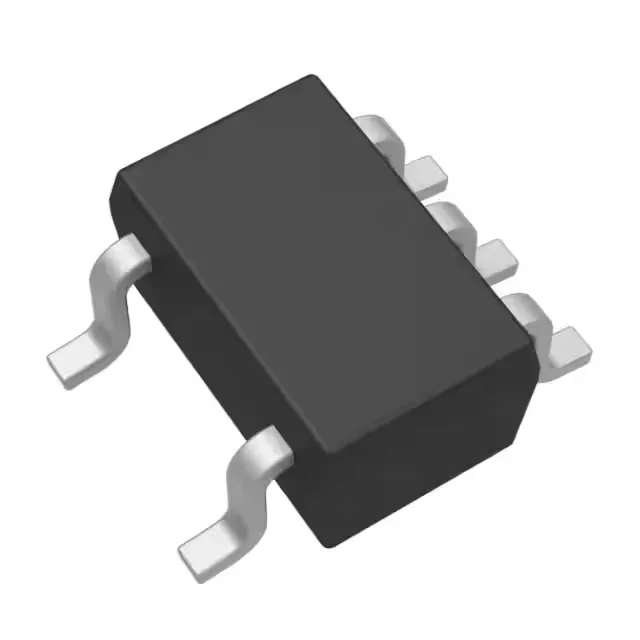
Texas Instruments SN74LVC1G125DCKR — Interface & Transceivers

SN74LVC1G125DCKR Buffer, 3-State, 1.65V-5.5V, SC-70-5

MPNSN74LVC1G125DCKR
Active

Texas Instruments 74LVC series, Buffer, Non-Inverting, 1-Element, 1-Bit per Element, 3-State Output, 32mA, 1.65V to 5.5V Supply, -40°C to 125°C, Surface Mount, SC-70-5, SN74LVC1G125DCKR.

$0.3800Ref. price · indicative, final on quote
Independent supplier — new & surplus stockAuthenticity-screened · ESD-safe packingListing updated Aug 2026

Specifications

SN74LVC1G125DCKR specifications
ParameterValue
Series74LVC
Logic typeBuffer, Non-Inverting
Output type3-State
MountingSurface Mount
Supply voltage1.65V ~ 5.5V
Current - output high, low32mA, 32mA
Operating temperature-40°C~125°C(TA)
PackageTape & Reel (TR); Cut Tape (CT)
Case5-TSSOP, SC-70-5, SOT-353
Number of elements1
Number of bits per element1

Product details

The Texas Instruments SN74LVC1G125DCKR is a single-bit, non-inverting buffer with a 3-state output, housed in a 5-pin SC-70-5 package. The 3-state output (high-impedance when the output-enable pin is inactive) lets multiple buffers share a common bus without contention — common in address decoding, data muxing, or enabling/disabling peripheral clocks.

The wide temperature grade means no derating headache when the enclosure gets hot or the panel sits in direct sun.

For the storeroom, that means one less part to worry about going EOL mid-run. Store the reels dry (MSL 1, no bake required before reflow if the bag seal is intact).

Frequently asked questions

What is the function of SN74LVC1G125?

It is a single non-inverting buffer with a 3-state output. When the output-enable pin is asserted, the output follows the input; when de-asserted, the output goes high-impedance, allowing multiple devices to share a bus.

Can SN74LVC1G125 be used for voltage translation?

Yes.

What is the difference between SN74LVC1G125 and SN74LVC1G126?

Both are single non-inverting buffers with 3-state outputs, but the SN74LVC1G126 has an active-high output-enable pin, while the SN74LVC1G125 uses an active-low output-enable. The logic polarity of the enable pin is the only functional difference; all other specs (supply range, drive, temperature, package) are identical.