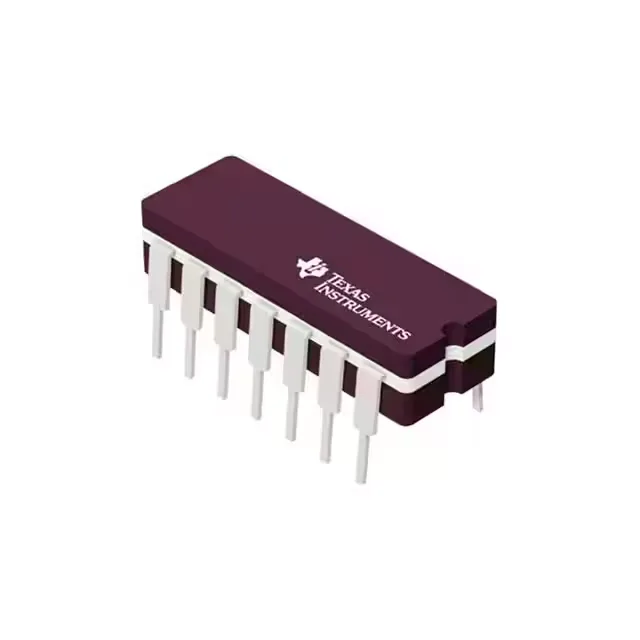
Texas Instruments SN74LS06N — Analog & Data Acquisition

SN74LS06N Texas Instruments 74LS Inverter, Open-Collector

MPNSN74LS06N
End of Life

Texas Instruments 74LS series hex inverter, SN74LS06N, open-collector outputs, 6 circuits, 1 input per circuit, 14-DIP (0.300", 7.62 mm), through-hole, 4.75 V to 5.25 V supply, 0°C to 70°C.

$0.85Ref. price · indicative, final on quote
Packaging14-DIP (0.300", 7.62mm)
StockContact for availability
Lead timeIn Stock wk
MOQ1 pcs
  • 100% new & originalTraceable channels only — no refurbs, no pulls, no remarked parts.
  • Date & lot codes on quoteStated per line before you commit; label photos on request.
  • MSL-compliant ESD packingMoisture-sealed bags with indicator cards; reels photo-verified.
  • PayPal buyer protectionPay by T/T, PayPal or Payoneer — card payments covered end to end.

Specifications

SN74LS06N Technical Specifications
ParameterValue
Series74LS
Logic typeInverter
Mounting typeThrough Hole
Voltage4.75V ~ 5.25V
Current - output high, low-, 40mA
Number of inputs1
Operating temperature0°C ~ 70°C
PackageTube
FeaturesOpen Collector
Case14-DIP (0.300\", 7.62mm)
Number of circuits6
Input logic level - low0.8V
Input logic level - high2V
Max propagation delay @ v, max CL20ns @ 5V, 15pF

Product details

Open-collector hex inverter — 40 mA sink per channel

The SN74LS06N is a hex inverter from Texas Instruments' 74LS family, with each of its six channels capable of sinking up to 40 mA when the output is low — the open-collector stage pulls the output to ground through the load, so the actual voltage swing is set by the pull-up resistor and the supply rail the load connects to. The 20 ns propagation delay at 5 V with a 15 pF load keeps it in the speed class for bus-interface and lamp/relay drive applications where the open-collector output handles the higher voltage or current on the load side.

Frequently asked questions

What is the SN74LS06N used for?

As a hex inverter with open-collector outputs, it drives loads such as relays, LEDs, lamps, or logic inputs that require a higher voltage or current than the standard TTL output can source — the collector can be pulled up to a separate supply rail up to the transistor breakdown voltage, while the input side stays at 5 V logic.