What the 7.8 mA drive tells you about this buffer
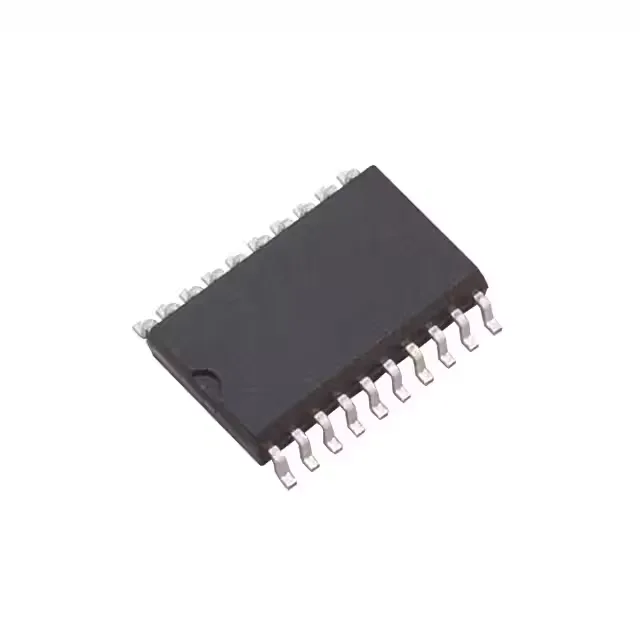
The Texas Instruments SN74HC240DW is an octal inverting buffer with 3-state outputs from the 74HC family, packaged in a 20-SOIC (7.50 mm wide) surface-mount body. Its 7.8 mA source and sink capability at each output is typical for the HC logic family — enough to drive a handful of CMOS inputs or a low-power LED indicator, but not a long backplane trace or a relay coil. The 3-state outputs let you share a data bus with other drivers, and the inverting logic means a high on the input produces a low on the output, which matters when you are matching polarity to the downstream load.
Supply voltage and temperature — the operating envelope
The 2 V to 6 V supply range is the headline flexibility: this part runs on a 3.3 V rail in a mixed-voltage design and on a 5 V rail in legacy TTL-replacement roles. If your board lives in a heated control cabinet or an indoor rack, the 85°C ceiling is fine; if it sits next to a motor drive or an engine block, you need a 74HC part with the extended temperature suffix.
Package and footprint — what the 20-SOIC means for layout
The surface-mount body saves board area compared to the DIP version (SN74HC240N) and suits automated assembly, but the 1.27 mm pin pitch means the same PCB footprint works for both the 7.50 mm wide and the narrower 7.50 mm body variants — verify the mechanical drawing before committing the land pattern.
Lifecycle and compliance — active and ROHS3
The ROHS3 rating means the part meets the latest EU restriction on hazardous substances, including the four phthalates added in 2015, so it passes compliance review for new designs shipping into European or California markets.