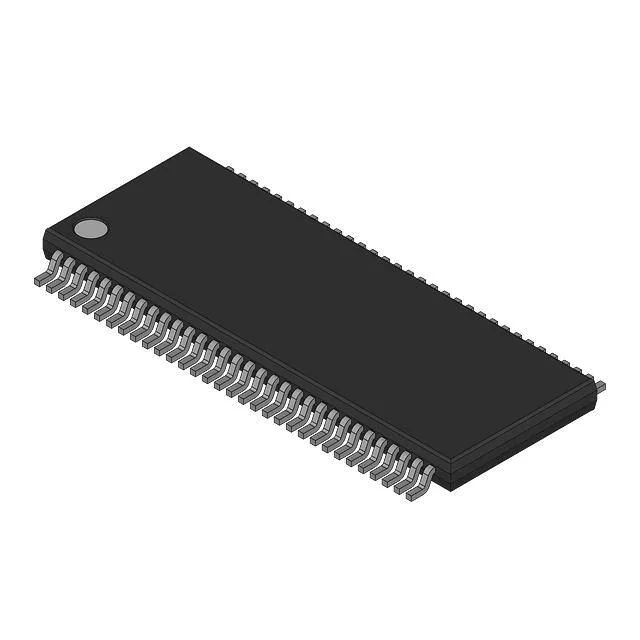
Texas Instruments SN74GTLPH1655DGG — Analog & Data Acquisition

SN74GTLPH1655DGG Registered Bus Transceiver, Active, ROHS3

MPNSN74GTLPH1655DGG
End of Life

Texas Instruments SN74GTLPH1655DGG, registered bus transceiver, Bulk package, ROHS3 compliant, Active lifecycle.

$12.25Ref. price · indicative, final on quote
StockContact for availability
MOQ1 pcs
  • 100% new & originalTraceable channels only — no refurbs, no pulls, no remarked parts.
  • Date & lot codes on quoteStated per line before you commit; label photos on request.
  • MSL-compliant ESD packingMoisture-sealed bags with indicator cards; reels photo-verified.
  • PayPal buyer protectionPay by T/T, PayPal or Payoneer — card payments covered end to end.

Specifications

SN74GTLPH1655DGG Technical Specifications
ParameterValue
Series*
PackageBulk

Product details

What this part is and where it fits

The SN74GTLPH1655DGG from Texas Instruments is a registered bus transceiver — a logic-level interface chip that buffers and registers data between two buses, typically used in backplane or memory-mapped systems where signal integrity and timing control matter. The GTLP (Gunning Transceiver Logic Plus) family is designed for high-speed, low-voltage differential signalling, often seen in telecom, networking, and server equipment where the bus runs at GTLP levels. This part is ROHS3 compliant, so it clears the EU material restrictions without a waiver.

Package and mounting

The listing shows the shipping medium as Bulk — loose parts in a bag or tube, not taped on a reel. For a field-service tech or a repair bench, Bulk is actually convenient: you can grab one chip without unspooling a reel, and the orientation is obvious from the package marking. No hot-air station needed if the board has a socket or through-hole footprint; just verify the GTLP voltage levels match the bus before you swap.

Frequently asked questions

What are the typical applications of SN74GTLPH1655DGG?

As a registered bus transceiver in the GTLP logic family, it is used in high-speed backplane interfaces, memory-mapped systems, and telecom/networking equipment where low-voltage differential signalling and registered data transfer are required.