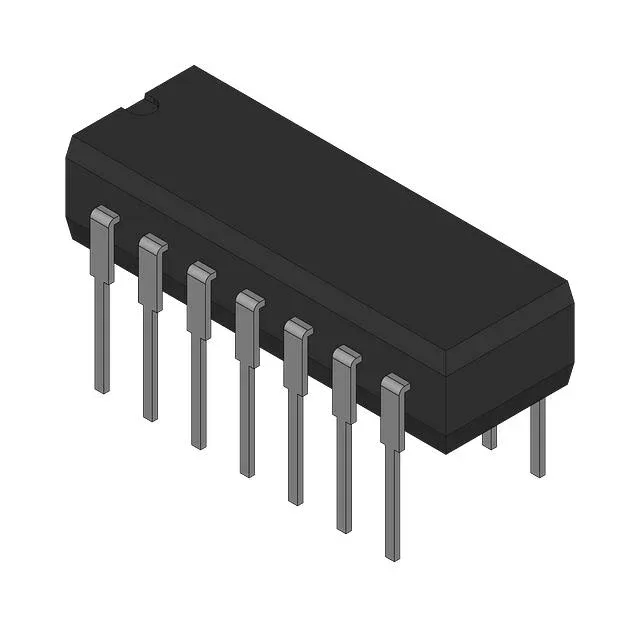
Texas Instruments SN74F64N — Logic ICs

SN74F64N AND-OR-INVERT Gate, Active, RoHS Non-Compliant

MPNSN74F64N
End of Life

Texas Instruments 74F series SN74F64N AND-OR-INVERT gate, active lifecycle, RoHS non-compliant, Bulk package.

$0.3Ref. price · indicative, final on quote
RoHSRoHS non-compliant
Series*
Independent supplier — new & surplus stockAuthenticity-screened · ESD-safe packingListing updated Aug 2026

Specifications

SN74F64N specifications
ParameterValue
Series*
PackageBulk

Product details

Active AND-OR-INVERT gate for legacy logic designs

It is designed for through-hole mounting in a DIP package and operates from a standard 5 V supply. Typical applications include board-level glue logic in industrial control, telecom infrastructure, and legacy computing systems where a compact, single-gate solution is needed.

RoHS non-compliance — plan for leaded assembly

This is a deliberate choice for designs that require tin-lead solder for reliability in high-vibration or high-thermal-cycle environments, or for legacy production lines that have not transitioned to lead-free reflow. If your BOM mandates RoHS compliance, this part will not pass inspection — budget for a waiver or select a lead-free equivalent from the 74F family if available.

For volume production, qualify the part now to avoid future allocation surprises — the 74F family is mature but still widely used in legacy equipment.

Frequently asked questions

What is the function of the SN74F64N?

The SN74F64N is an AND-OR-INVERT gate from the 74F fast logic family. It implements the Boolean function (A·B)+(C·D) inverted, providing a compact single-gate solution for board-level logic.

Can the SN74F64N be used as a replacement for the SN74LS64N?

The SN74F64N is a faster (74F family) version of the same AND-OR-INVERT function. It is pin-compatible with the SN74LS64N in the same DIP package, but the 74F variant has higher speed and lower propagation delay. Verify timing margins in your design before substituting — the faster edges may require attention to signal integrity.