Dual-supply voltage translation — the job it does
The Texas Instruments SN74AVCH4T245PW is a 4-bit, dual-supply voltage-level translation transceiver from the 74AVCH family. Each of the two elements handles four bits, with independent direction control per element, so you can have one bank translating in one direction and the other in reverse on the same chip.
The 1.2V to 3.6V supply range on each port (VCCA and VCCB) covers the common logic levels: 1.2V, 1.5V, 1.8V, 2.5V, and 3.3V. That means this part can sit between a 1.8V FPGA bank and a 3.3V SPI flash, or between a 1.2V application processor and a 2.5V Ethernet PHY — no external level shifter needed. The 12mA output drive (both high and low) is enough for point-to-point CMOS loads and short PCB traces, but it is not a heavy bus driver. If you are driving a long backplane or multiple fan-out, you will want a buffer after this transceiver. The 3-State outputs let you share the bus with other drivers — useful in multiplexed address/data or I²C-like shared lines where the transceiver must release the bus when not active.
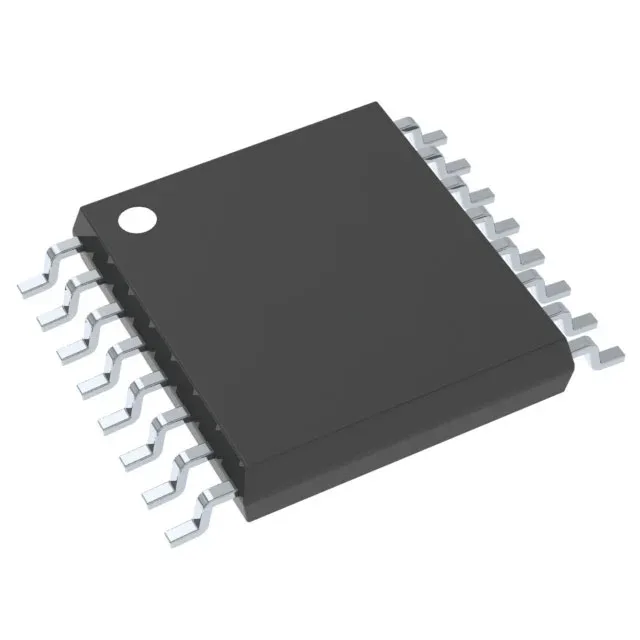
Housed in a 16-TSSOP (4.40mm width), this is a compact surface-mount package that fits tight layouts. For those, you would need the AEC-Q100 qualified variant (SN74AVCH4T245QPWRQ1).
No PCN or LTB risk at this time — suitable for new designs and long-running production BOMs.