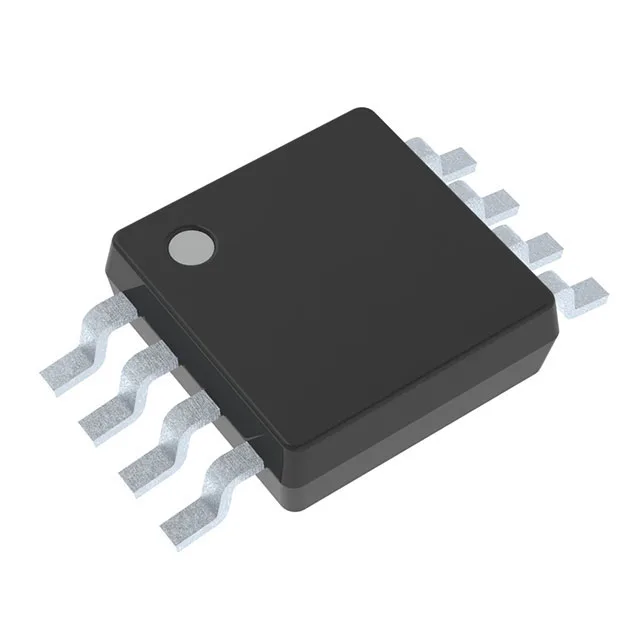
Texas Instruments SN74AUP2G32DCUR — Logic ICs

SN74AUP2G32DCUR TI 74AUP OR Gate, 0.8V-3.6V, 6.2ns

MPNSN74AUP2G32DCUR
End of Life

Texas Instruments 74AUP series, SN74AUP2G32DCUR, OR Gate, dual 2-input, 0.8V to 3.6V supply, 500 nA quiescent, 6.2 ns @ 3.3V/30pF, -40°C to 85°C, 8-VSSOP.

$0.67Ref. price · indicative, final on quote
Packaging8-VFSOP (0.091", 2.30mm Width)
RoHSROHS3 Compliant
Series74AUP
Independent supplier — new & surplus stockAuthenticity-screened · ESD-safe packingListing updated Aug 2026

Specifications

SN74AUP2G32DCUR specifications
ParameterValue
Series74AUP
Logic typeOR Gate
MountingSurface Mount
Supply voltage0.8V ~ 3.6V
Current - quiescent500 nA
Current - output high, low4mA, 4mA
I/O channels2
Operating temperature-40°C ~ 85°C
PackageTape & Reel (TR); Cut Tape (CT)
Case8-VFSOP (0.091\", 2.30mm Width)
Number of circuits2
Input logic level - low0.7V ~ 0.9V
Input logic level - high1.6V ~ 2V
Max propagation delay @ v, max CL6.2ns @ 3.3V, 30pF

Product details

Supply range and timing for BOM fit

Quiescent current maxes at 500 nA, which is the headline differentiator of the 74AUP family. Output drive is 4 mA source and sink — enough for LED indicators or driving a single CMOS load, but undersized for long trace runs or high-fan-out buses.

It is ROHS3 compliant.

Frequently asked questions

What is the propagation delay of SN74AUP2G32DCUR at 3.3 V?

Maximum propagation delay is 6.2 ns at 3.3 V with a 30 pF load.

What is the closest functional equivalent to SN74AUP2G32DCUR?

The SN74AUP2G08YZPR is a same-series dual 2-input AND gate in a similar package — same supply range and quiescent current, but the logic function differs (AND vs OR). For a direct OR-gate replacement, stick with the SN74AUP2G32.

How does SN74AUP2G32DCUR compare to SN74LVC2G32 in power consumption?

The 74AUP series is designed for lower quiescent current than the 74LVC family. SN74AUP2G32DCUR draws 500 nA max idle, while a typical 74LVC2G32 part draws in the microamp range — a meaningful difference for battery-powered designs where every nanoamp counts.