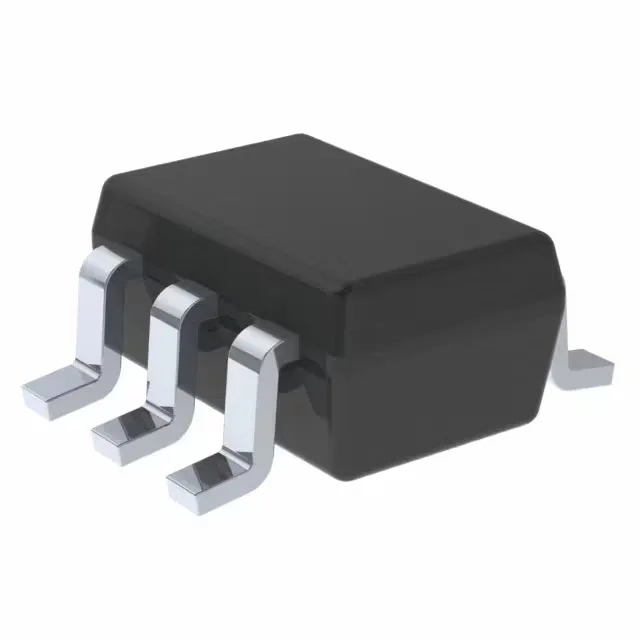
Texas Instruments SN74AUC2GU04DCKR — DC-DC Power Modules

SN74AUC2GU04DCKR 74AUC Dual Inverter, SC-70-6, 0.8V–2.7V

MPNSN74AUC2GU04DCKR
End of Life

Texas Instruments 74AUC series, SN74AUC2GU04DCKR, Inverter, 2 Circuit, 2-Input, 9mA, 0.8V to 2.7V, -40°C to 85°C, SC-70-6.

$0.75Ref. price · indicative, final on quote
Packaging6-TSSOP, SC-88, SOT-363
RoHSROHS3 Compliant
Series74AUC
Independent supplier — new & surplus stockAuthenticity-screened · ESD-safe packingListing updated Jul 2026

Specifications

SN74AUC2GU04DCKR specifications
ParameterValue
Series74AUC
Logic typeInverter
MountingSurface Mount
Supply voltage0.8V ~ 2.7V
Current - quiescent10 µA
Current - output high, low9mA, 9mA
I/O channels2
Operating temperature-40°C ~ 85°C
PackageTape & Reel (TR); Cut Tape (CT)
Case6-TSSOP, SC-88, SOT-363
Number of circuits2
Max propagation delay @ v, max CL2ns @ 2.5V, 30pF

Product details

Dual unbuffered inverter for ultra-low-voltage logic

The Texas Instruments SN74AUC2GU04DCKR is a dual unbuffered inverter from the 74AUC series, designed for sub-3V logic rails down to 0.8 V. Each of the two independent inverters can sink or source 9 mA, and the propagation delay is 2 ns at 2.5 V with a 30 pF load. The part is housed in a 6-pin SC-70-6 (SOT-363) package for surface-mount assembly and operates over the industrial temperature range of -40°C to 85°C.

The 0.8 V to 2.7 V supply range places this part in the ultra-low-voltage logic tier. It is a fit for battery-powered handhelds, near-threshold computing blocks, or any design where the core logic rail is below 1.8 V. Quiescent current is a maximum of 10 µA across the full supply range, so the part adds negligible standby draw in always-on sensor interfaces or wake-up logic chains.

Frequently asked questions

Is SN74AUC2GU04DCKR a direct replacement for SN74AUC2G04DCKR?

The SN74AUC2GU04DCKR is the unbuffered version (GU04) of the 74AUC dual inverter. The SN74AUC2G04DCKR is the buffered variant. Both share the same pinout and package, but the unbuffered output has less drive strength and a different propagation delay characteristic. Check the output drive and timing requirements of your specific bus before substituting.