What the 74AC family brings to the bus
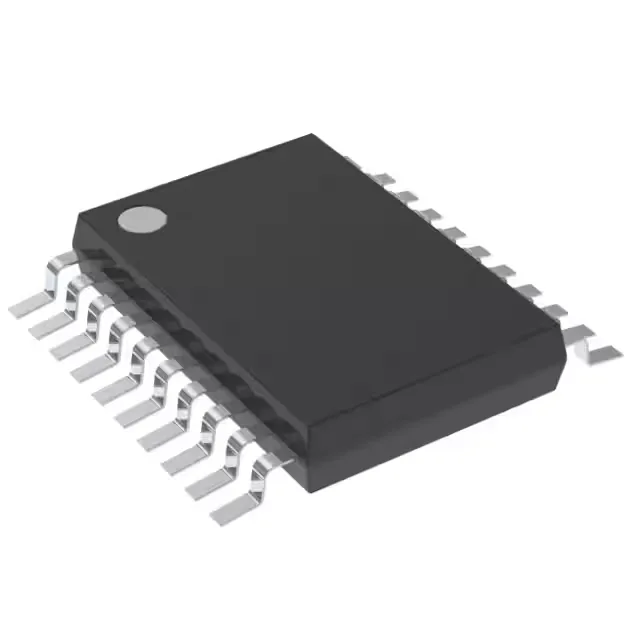
The Texas Instruments SN74AC244NSR is a dual 4-bit buffer with non-inverting logic and 3-state outputs, part of the 74AC series that runs from 2V to 6V. Each of the two elements drives up to 24 mA per pin, enough to fan out to a dozen CMOS loads or a few TTL inputs without an external line driver. The 20-SOIC (5.30 mm wide) footprint matches the common SO-20 land pattern, so a board already using a 74AC244 in a wider package can swap to this narrower body without a layout change.
Supply range — why 2V to 6V matters for the BOM
The 2V to 6V supply range covers 3.3 V and 5 V logic rails without a level translator. In a mixed-voltage design — say a 3.3 V MCU talking to a 5 V peripheral — this buffer sits on the 3.3 V rail and still accepts 5 V-tolerant inputs because the 74AC inputs are over-voltage tolerant up to the supply limit. That saves a dedicated translator IC and the board space it would take.
24 mA output drive — what it means for fan-out
For a bus with more than ten loads, the cumulative capacitive load may still need a stronger driver, but for typical board-level buffering this is the sweet spot between drive strength and package thermal limits.
The 20-SOIC package is surface-mount, so it flows through a standard reflow profile with no special handling beyond MSL precautions.
No last-time-buy notice or end-of-life window has been published.