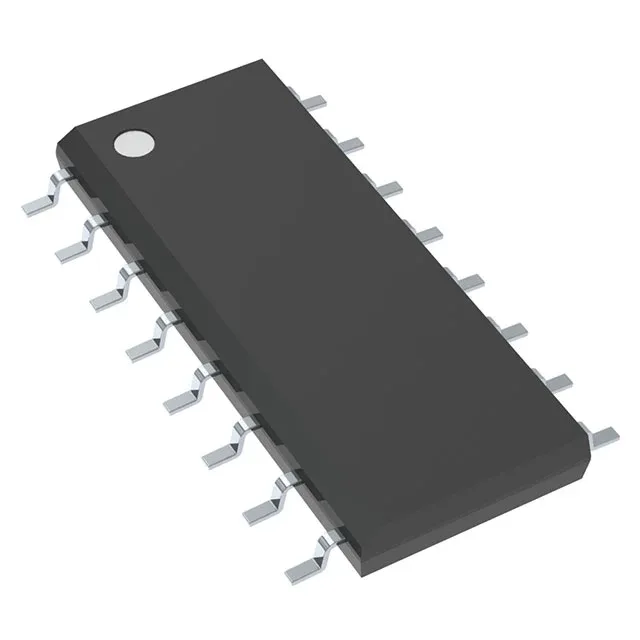
Texas Instruments SN65LVDS391DRG4 — Interface & Transceivers

SN65LVDS391DRG4 LVDS Driver, 630 Mbps, 16-SOIC, Active

MPNSN65LVDS391DRG4
End of Life

Texas Instruments 65LVDS series, SN65LVDS391DRG4, LVDS Driver, 630Mbps, 3V ~ 3.6V, -40°C ~ 85°C, Surface Mount, 16-SOIC.

Independent supplier — new & surplus stockAuthenticity-screened · ESD-safe packingListing updated Aug 2026

Specifications

SN65LVDS391DRG4 specifications
ParameterValue
TypeDriver
Series65LVDS
MountingSurface Mount
Supply voltage3V ~ 3.6V
ProtocolLVDS
Operating temperature-40°C~85°C
PackageTape & Reel (TR)
Data rate630Mbps
Case16-SOIC (0.154\", 3.90mm Width)
Number of drivers (Receivers)4/0

Product details

What this quad LVDS driver does on the board

It converts parallel CMOS/TTL signals into low-voltage differential swing outputs for point-to-point or multidrop links. The 630 Mbps per-channel data rate covers most flat-panel display interfaces, camera serial links, and backplane clock distribution where you need to push a fast signal a few feet across a cable or PCB without burning through the power budget.

If your system lives in a heated rack, that is fine too; the rating just gives you headroom.

Frequently asked questions

Is SN65LVDS391DRG4 obsolete?

No discontinuation notice has been issued.

Can SN65LVDS391DRG4 be used for HDMI?

No — HDMI uses TMDS signalling, not LVDS. This driver is for LVDS links such as flat-panel display interfaces, camera serial links, and backplane clock distribution.

What is the difference between SN65LVDS391DRG4 and SN65LVDS391D?

The two parts are functionally identical — same quad LVDS driver, same 630 Mbps data rate, same supply and temperature range. The difference is in the packaging and shipping medium: the DRG4 suffix denotes Tape & Reel packaging, while the D suffix typically comes in tubes or trays. For a production pick-and-place line the DRG4 is the reeled variant; for bench prototypes or small runs the D tube version may be more convenient.