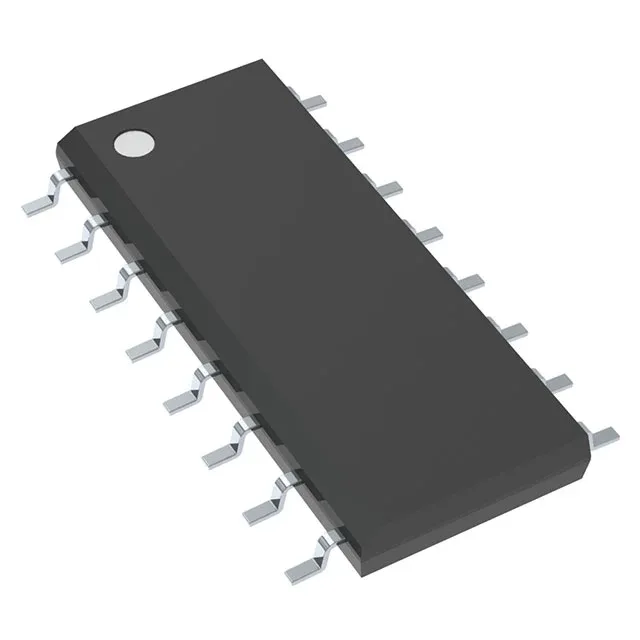
Texas Instruments SN65LVDS3487DR — Interface & Transceivers

SN65LVDS3487DR LVDS Driver, 400 Mbps, 16-SOIC - TI

MPNSN65LVDS3487DR
Active

Texas Instruments 65LVDS series LVDS Driver, 4 driver, 0 receiver, 400Mbps, 3V to 3.6V, -40°C to 85°C, 16-SOIC, Surface Mount, Tape & Reel.

$1.9800Ref. price · indicative, final on quote
Independent supplier — new & surplus stockAuthenticity-screened · ESD-safe packingListing updated Aug 2026

Specifications

SN65LVDS3487DR specifications
ParameterValue
TypeDriver
Series65LVDS
MountingSurface Mount
Supply voltage3V ~ 3.6V
ProtocolLVDS
Operating temperature-40°C~85°C
PackageTape & Reel (TR)
Data rate400Mbps
Case16-SOIC (0.154\", 3.90mm Width)
Number of drivers (Receivers)4/0

Product details

Quad LVDS driver for high-speed serial links

The SN65LVDS3487DR: Each channel supports a data rate of 400 Mbps.

The 400 Mbps per driver channel is the maximum toggle rate the LVDS output stage can sustain while maintaining the differential swing and common-mode range required by the LVDS standard.

16-SOIC package — rework-friendly footprint

No exposed thermal pad means the part can be removed and replaced without worrying about pad lifting or solder bridging under the body — a practical advantage for prototype spins and field repairs.

Frequently asked questions

What is the data rate of SN65LVDS3487DR?

The SN65LVDS3487DR supports a data rate of 400 Mbps per driver channel, as listed in the specifications.

What is the difference between SN65LVDS3487DR and SN65LVDS3487D?

The SN65LVDS3487DR and SN65LVDS3487D are the same quad LVDS driver silicon. The only difference is the shipping medium: the DR suffix indicates Tape & Reel packaging for automated pick-and-place, while the D suffix is tube packaging.

What is the equivalent of SN65LVDS3487DR?

Within the TI 65LVDS family, the SN65LVDS3487D is the tube-shipped equivalent of the SN65LVDS3487DR. For a pin-compatible alternative from another manufacturer, the buyer should verify the pinout and electrical specifications against their design — the evidence does not list a specific cross-reference.