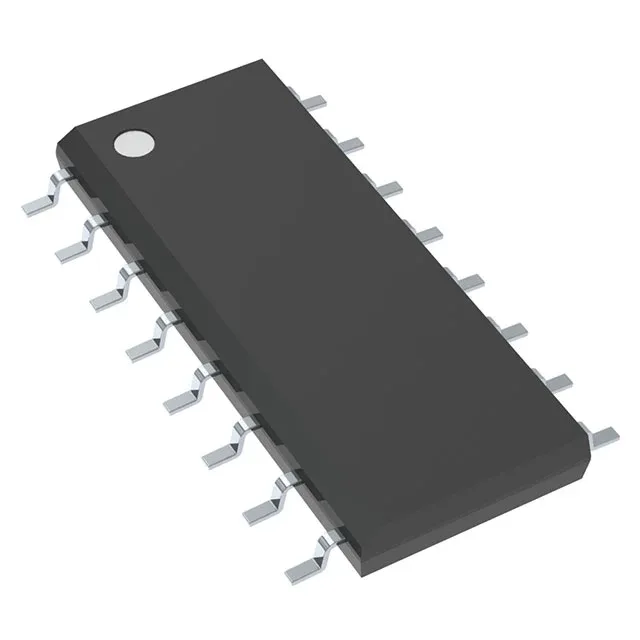
Texas Instruments SN65LVDS22DG4 — Interface & Transceivers

TI SN65LVDS22DG4 LVDS Buffer Multiplexer, 250 Mbps, 16-SOIC

MPNSN65LVDS22DG4
Obsolete

Texas Instruments SN65LVDS22DG4, LVDS Buffer and Multiplexer, 1 x 2:2 configuration, 250 Mbps max data rate, 4.0 ns delay, 3 V to 3.6 V supply, -40°C to 85°C, 16-SOIC.

$7.1000Ref. price · indicative, final on quote
Independent supplier — new & surplus stockAuthenticity-screened · ESD-safe packingListing updated Jul 2026

Specifications

SN65LVDS22DG4 specifications
ParameterValue
TypeBuffer, Multiplexer
MountingSurface Mount
Supply voltage3V ~ 3.6V
Current - supply13mA
Operating temperature-40°C ~ 85°C
InputLVDS
OutputLVDS
PackageTube
Delay time4.0ns
Case16-SOIC (0.154\", 3.90mm Width)
Data rate250Mbps
Channels1 x 2:2
Capacitance - input3 pF

Product details

It handles serial data streams up to 250 Mbps with a propagation delay of 4.0 ns, making it suitable for clock distribution or data fan-out in point-to-point LVDS links. The 3 pF input capacitance keeps the load light on the driving source, and the 13 mA supply current at 3.3 V is typical for a single-channel LVDS fan-out buffer.

250 Mbps and 4.0 ns — timing budget for the serial link

The 250 Mbps data rate is the ceiling for NRZ signalling through this buffer. At that rate the bit period is 4 ns, and the 4.0 ns propagation delay consumes nearly one full bit period of the timing budget — so cascading multiple SN65LVDS22DG4 stages in a single link is not practical without reducing the line rate. For a single fan-out stage driving a 50 cm backplane trace to two receivers, the 4.0 ns delay plus the output transition time still leaves enough setup-and-hold margin for most LVDS receivers rated at 250 Mbps. If the design needs to run at 400 Mbps or higher, this part is not the right choice; look at a dedicated LVDS repeater with sub-2 ns delay.

The closest functional alternative is the SN65LVDS22 — the non-green/non-RoHS variant — but that part is also end-of-life.

16-SOIC footprint and 3.3 V rail

No separate core or I/O supply — the single 3.3 V pin powers both the input receiver and the output drivers.

Frequently asked questions

Is SN65LVDS22DG4 obsolete?

Yes, Texas Instruments lists the SN65LVDS22DG4 as Obsolete. There is no direct pin-compatible replacement in TI's current active LVDS product line.

What is the replacement for SN65LVDS22DG4?

There is no official TI replacement that is a drop-in pin-compatible substitute. The SN65LVDS22 (non-green variant) is functionally identical but also obsolete. For a new design, consider the SN65LVDS100 series (different footprint) or a generic LVDS 1:2 fan-out buffer from another vendor, but verify the pinout and timing against your layout.

Where to buy SN65LVDS22DG4?

The SN65LVDS22DG4 is obsolete from the manufacturer, so standard distributor stock is depleted. Contact us with your target quantity and we will confirm availability and pricing.

What is the data rate and delay of SN65LVDS22DG4?

The maximum data rate is 250 Mbps, and the propagation delay is 4.0 ns. These two specs together define the timing budget for the serial link — at 250 Mbps the bit period is 4 ns, so cascading multiple stages is not recommended.