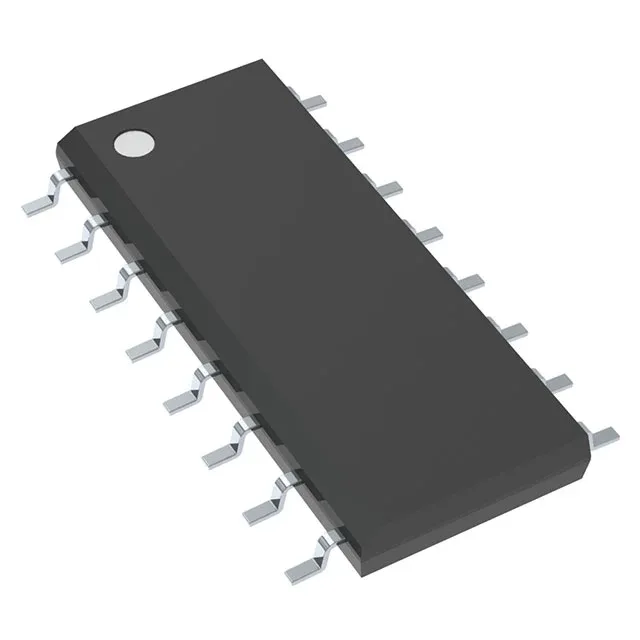
Texas Instruments SN65LVDS104D — Interface & Transceivers

SN65LVDS104D LVDS 1:4 Buffer/Mux, 400 Mbps, 16-SOIC

MPNSN65LVDS104D
Active

Texas Instruments SN65LVDS104D LVDS Buffer/Multiplexer, 1 x 1:4 fanout, 400 Mbps data rate, 3.1 ns delay, 3V-3.6V supply, -40°C to 85°C, 16-SOIC (0.154", 3.90mm Width), Tube.

$6.4500Ref. price · indicative, final on quote
Packaging16-SOIC (0.154", 3.90mm Width)
RoHSROHS3 Compliant
Independent supplier — new & surplus stockAuthenticity-screened · ESD-safe packingListing updated Aug 2026

Specifications

SN65LVDS104D specifications
ParameterValue
TypeBuffer, Multiplexer
MountingSurface Mount
Supply voltage3V ~ 3.6V
Current - supply23mA
Operating temperature-40°C~85°C
InputLVDS
OutputLVDS
PackageTube
Delay time3.1ns
Case16-SOIC (0.154\", 3.90mm Width)
Data rate400Mbps
Channels1 x 1:4
Capacitance - input3 pF

Product details

LVDS fanout for backplane and cable interfaces

The SN65LVDS104D is a 1:4 LVDS buffer and multiplexer — it takes one differential LVDS input and fans it out to four LVDS outputs, or routes one of two inputs to all four outputs in mux mode. Rated for 400 Mbps per channel, with a 3.1 ns propagation delay, it keeps skew low enough that a 100 MHz clock tree stays within a few hundred picoseconds of the source — no re-synchronisation needed at the far end.

Supply and temperature — industrial BOM fit

The 3 pF input capacitance keeps the load on the driving source light — a standard LVDS driver can feed four SN65LVDS104D inputs in parallel without ringing.

Package and board-fit

Housed in a 16-pin narrow-body SOIC (3.90 mm width, 0.154" pitch) — the same footprint as a standard SOIC-16 op-amp or logic gate. Surface-mount, no thermal pad, no special soldering profile beyond the standard 260°C peak reflow. The tube packaging means it arrives in anti-static tubes, not tape-and-reel; for pick-and-place, transfer to a feeder tray or order the tape-and-reel variant if your line is set up for it.

Frequently asked questions

What is the SN65LVDS104D used for?

It is a 1:4 LVDS buffer/multiplexer — it fans out one LVDS signal to four outputs, or selects between two inputs and routes the chosen one to all four outputs. Typical uses include distributing a clock or data signal across a backplane, driving multiple cable receivers, or splitting a test signal to several instruments.