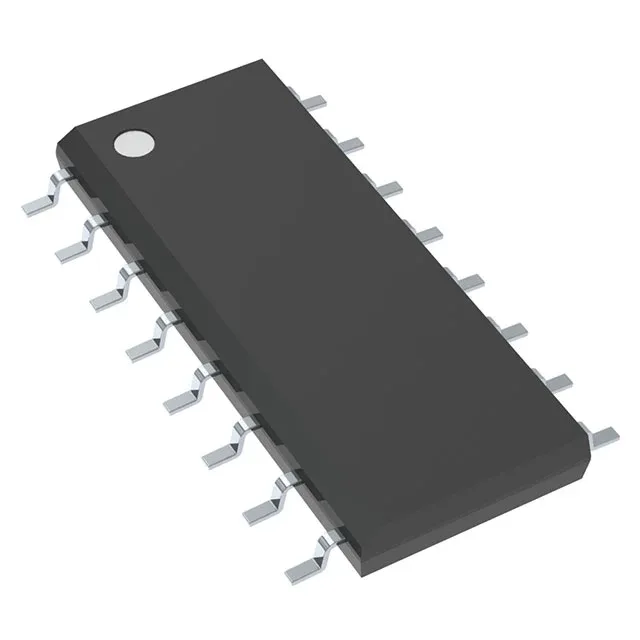
Texas Instruments SN65LVDS051DRQ1 — Interface & Transceivers

SN65LVDS051DRQ1 LVDS Transceiver, 100 Mbps, AEC-Q100

MPNSN65LVDS051DRQ1
Obsolete

Texas Instruments, Automotive AEC-Q100, SN65LVDS051DRQ1, LVDS Transceiver, Full Duplex, 100Mbps, 2/2 Drivers/Receivers, 3V~3.6V, -40°C~85°C, 16-SOIC.

Independent supplier — new & surplus stockAuthenticity-screened · ESD-safe packingListing updated Jul 2026

Specifications

SN65LVDS051DRQ1 specifications
ParameterValue
TypeTransceiver
SeriesAutomotive, AEC-Q100, 65LVDS
MountingSurface Mount
Supply voltage3V ~ 3.6V
ProtocolLVDS
Operating temperature-40°C~85°C
DuplexFull
PackageTape & Reel (TR)
Data rate100Mbps
Case16-SOIC (0.154\", 3.90mm Width)
Number of drivers (Receivers)2/2

Product details

What the 100 Mbps data rate and full-duplex mean for your serial link

That 100 Mbps is the per-channel signalling rate — enough for uncompressed video links, high-speed data acquisition backplanes, or daisy-chained sensor interfaces where the cable run stays inside a few metres. The full-duplex capability means each of the two channels can transmit and receive simultaneously, doubling the effective throughput on a point-to-point link compared to a half-duplex part that must turn the bus around.

Frequently asked questions

Is SN65LVDS051DRQ1 obsolete?

Yes, the SN65LVDS051DRQ1 is officially obsolete per Texas Instruments. No further factory production is planned.

What is the replacement for SN65LVDS051DRQ1?

Texas Instruments has not published a direct pin-compatible replacement for the SN65LVDS051DRQ1 in the official lifecycle notice. For a new design, evaluate the current-production LVDS transceivers in the 65LVDS family — such as the SN65LVDS051 (non-Q1 variant) or the SN65LVDS050 — but verify pinout and electrical compatibility from the respective datasheets. For an existing BOM, the independent channel can supply the original SN65LVDS051DRQ1 against an RFQ.

What is the data rate of SN65LVDS051DRQ1?

The SN65LVDS051DRQ1 is rated for 100 Mbps per channel. With two full-duplex channels, the aggregate throughput can reach 200 Mbps in simultaneous transmit and receive directions.