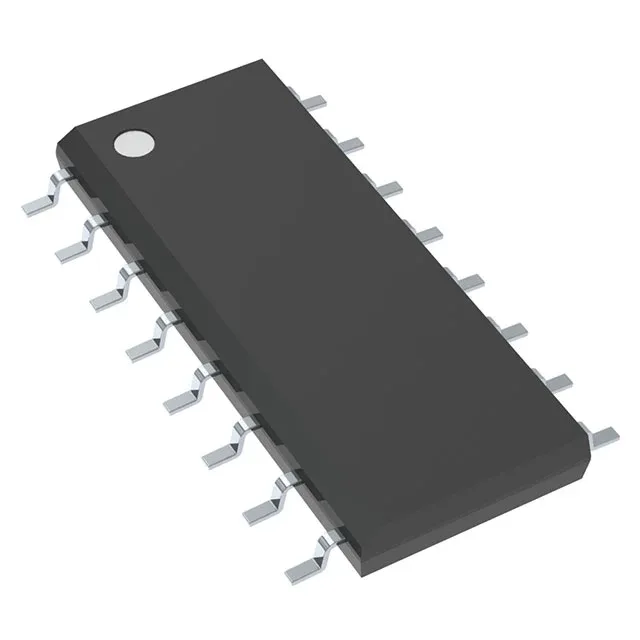
Texas Instruments SN65LVDS050DR — Interface & Transceivers

SN65LVDS050DR LVDS Transceiver, 100 Mbps, 16-SOIC

MPNSN65LVDS050DR
Active

Texas Instruments 65LVDS series, SN65LVDS050DR, LVDS Transceiver, Full Duplex, 2 Drivers / 2 Receivers, 100 Mbps Data Rate, 3V to 3.6V Supply, -40°C to 85°C, 16-SOIC Package.

$2.1506Ref. price · indicative, final on quote
Independent supplier — new & surplus stockAuthenticity-screened · ESD-safe packingListing updated Aug 2026

Specifications

SN65LVDS050DR specifications
ParameterValue
TypeTransceiver
Series65LVDS
MountingSurface Mount
Supply voltage3V ~ 3.6V
ProtocolLVDS
Operating temperature-40°C ~ 85°C
DuplexFull
PackageTape & Reel (TR)
Data rate100Mbps
Case16-SOIC (0.154\", 3.90mm Width)
Number of drivers (Receivers)2/2

Product details

What the 100 Mbps data rate means for the link budget

The 100 Mbps ceiling is the practical limit for point-to-point or multidrop links over twisted-pair or PCB traces up to a few metres; beyond that, signal integrity and skew start to eat into the eye opening. For a backplane or cable interconnect running at 100 Mbps, this part holds margin without needing pre-emphasis or equalisation, which keeps the BOM simple.

LVDS outputs swing roughly 350 mV differential centred around 1.2 V common mode, so the receiver input threshold is referenced to that, not the supply. The driver inputs and receiver outputs are LVTTL/LVCMOS-compatible across the supply range, which means a 3.3 V FPGA, ASIC, or microcontroller can drive and read these pins directly without a level translator. If the system runs a 3.0 V rail, the part still meets full LVDS output swing.

Frequently asked questions

What is the closest pin-compatible alternative to the SN65LVDS050DR?

The SN65LVDS050DR is a full-duplex 2/2 LVDS transceiver. Pin-compatible alternatives within the same 65LVDS family include the SN65LVDS050 (same function, different package options) and the SN65LVDS051 (which adds an additional driver/receiver pair at the same data rate). Verify the specific package and channel count against your BOM before substituting.