Typical applications include high-speed backplane interconnects, cable extension links, and clock distribution in telecom, industrial control, and test equipment where low noise and low power are priorities.
2/2 driver/receiver count and full-duplex operation
With two independent driver channels and two receiver channels, the SN65LVDS050DG4 supports a full-duplex link on each channel pair — one pair for transmit, one for receive — without external direction control. This eliminates the bus-turnaround dead cycles that half-duplex transceivers require, which matters for real-time control loops and streaming data paths where every microsecond of latency counts.
If your system lives in a controlled indoor environment, the commercial-grade sibling may save a few cents, but the industrial rating gives you a single BOM line for both environments.
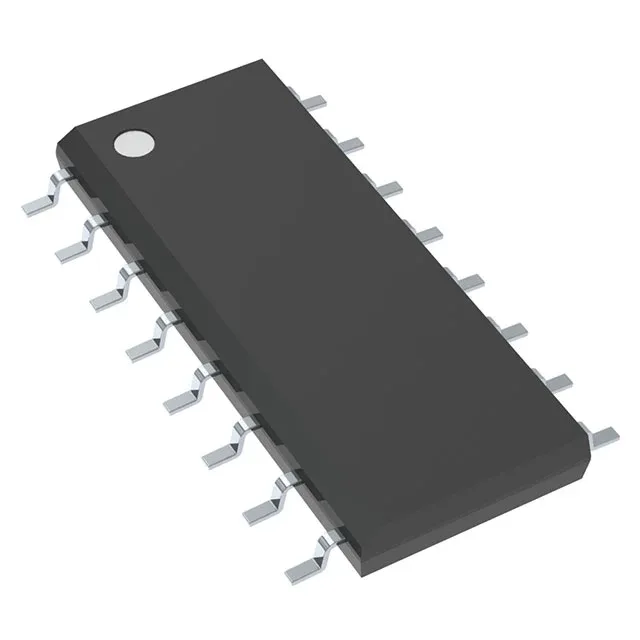
Housed in a 16-SOIC (3.90 mm width) package, the SN65LVDS050DG4 uses a standard, widely available footprint. The surface-mount body is compatible with reflow soldering and common pick-and-place equipment. No special pad geometry or thermal vias are required for this power level.