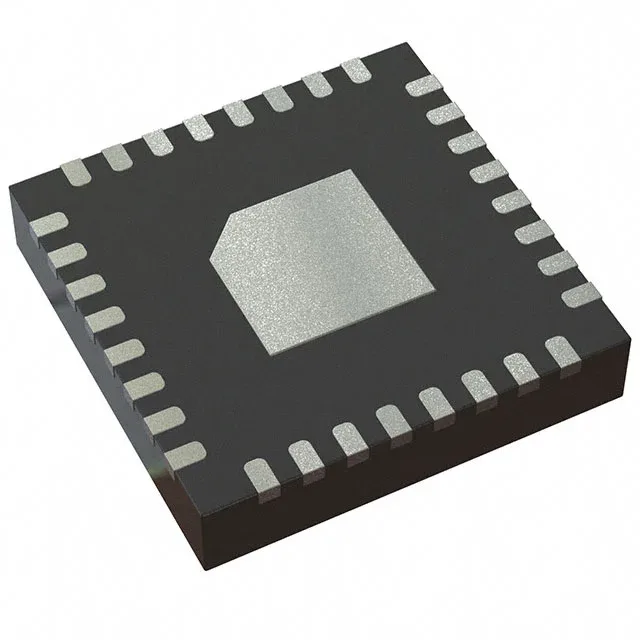
10:1 serializer for high-speed parallel-to-serial conversion
The SN65LV1023ARHBT is a 10:1 serializer from Texas Instruments that converts 10 parallel LVTTL inputs into a single serial LVDS output stream at data rates up to 660 Mbps. This part sits in the signal chain between a parallel bus (like a camera sensor or FPGA parallel port) and a serial LVDS link to a remote receiver or deserializer.
What the 660 Mbps data rate means for your link budget
The 660 Mbps serial data rate means the parallel side runs at 66 MHz per channel (660 ÷ 10). At this speed, the LVDS output swing (~350 mV differential) keeps EMI low and allows cable runs of several meters over twisted-pair or controlled-impedance PCB traces, assuming the receiver end has proper termination. The input side expects LVTTL levels (3.3 V logic) — no level translation needed if the source is a 3.3 V FPGA or ASIC.
32-VQFN package — rework and board-fit considerations
Without a good solder joint under the pad, the junction-to-board thermal resistance climbs and the part runs hotter than the datasheet assumes. For rework: the 0.5 mm pitch QFN is manageable with hot air if the board has a solder mask defined pad. The exposed pad wicks heat away fast, so preheat the board to 100-120°C before lifting the part. Pin 1 is marked by a chamfered corner on the package — verify orientation before placing the replacement.