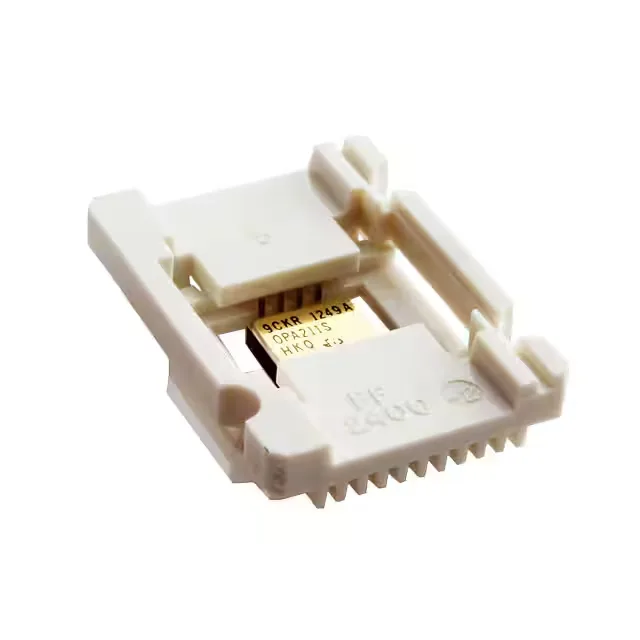
Texas Instruments SN65HVD233SHKQ — Logic ICs

TI SN65HVD233SHKQ CAN Transceiver, -55°C to 210°C, 1 Mbps

MPNSN65HVD233SHKQ
Active

Texas Instruments SN65HVD233SHKQ, CANbus Transceiver, Half Duplex, 1/1 Drivers/Receivers, 3V to 3.6V Supply, 1Mbps Data Rate, -55°C to 210°C, 8-CFP Surface Mount Package.

Independent supplier — new & surplus stockAuthenticity-screened · ESD-safe packingListing updated Jul 2026

Specifications

SN65HVD233SHKQ specifications
ParameterValue
TypeTransceiver
MountingSurface Mount
Supply voltage3V ~ 3.6V
ProtocolCANbus
Operating temperature-55°C~210°C
DuplexHalf
PackageTube
Data rate1Mbps
Case8-CSOIC (0.220\", 5.65mm Width)
Receiver hysteresis140 mV
Number of drivers (Receivers)1/1

Product details

Hermetic CAN transceiver for extreme-temperature environments

It is specified over a -55°C to 210°C operating range and housed in a hermetic 8-CFP (Ceramic Flat Package), which means it is suited for downhole drilling, engine-mounted electronics, or any sealed module that sees sustained high heat.

The base product number is SN65H, and the SHKQ suffix identifies the high-temperature, ceramic-package version.

What the 210°C rating means for the BOM

A 210°C maximum operating temperature is well above the 150°C typical of automotive under-hood parts. This part is rated for the full range, not just storage — it is meant to function while hot. That makes it a candidate for engine-mounted ECUs, exhaust-side sensors, or downhole tools where ambient can exceed 175°C. The 8-CFP package is a ceramic flat-pack with gull-wing leads, surface-mountable but requiring a reflow profile that respects the ceramic body's thermal mass. The 1/1 driver/receiver count is standard for a single CAN node; if the design needs galvanic isolation, an isolated DC-DC and a digital isolator on the controller side are needed, as this transceiver itself is not isolated.

Frequently asked questions

Is SN65HVD233SHKQ a direct replacement for SN65HVD233D?

No. The SHKQ is a hermetic ceramic 8-CFP package rated for -55°C to 210°C. They are not pin-compatible for a direct swap — the package footprint differs, and the temperature grade is different. If the board already uses the D variant and the temperature stays below 125°C, the D part is the correct fit. The SHKQ is for designs that need the extended temperature range and hermetic seal.