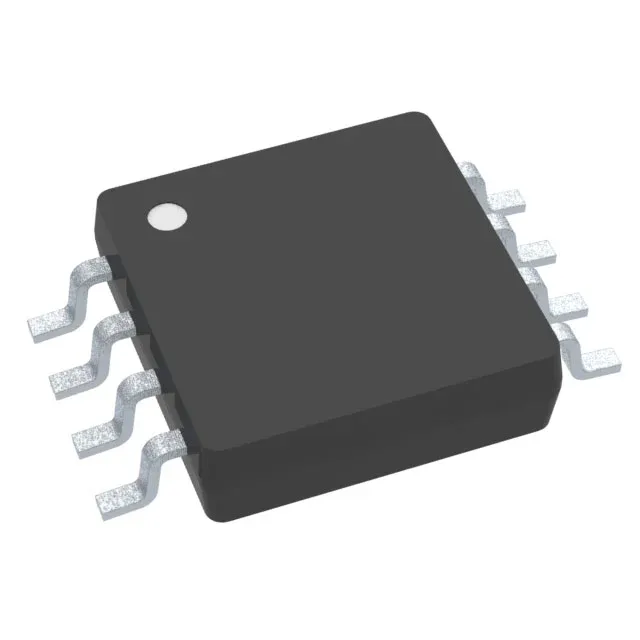
3 V reference for precision ADC chains — the ±0.1% initial accuracy sets the error budget
That tolerance is the first line item in the system error budget for any precision ADC or DAC that uses this reference — a 3 V reference with ±0.1% tolerance means the output can sit anywhere between 2.997 V and 3.003 V at 25°C before temperature or load effects are added.
Noise floor and temperature drift — the two specs that separate a reference from a regulator
For a 3 V reference, this noise floor corresponds to roughly 1 ppm peak-to-peak of the output voltage — clean enough for a 16-bit SAR ADC without additional filtering. That drift must be accounted for in the system calibration strategy, especially if the reference and the ADC share the same thermal environment.
Supply headroom and output drive — where it fits in the power tree
Input voltage range is 3.2 V to 18 V, so this reference can run from a 3.3 V rail with just 200 mV of headroom, or from an unregulated 12 V or 15 V supply without a pre-regulator. The 10 mA output current is enough to drive the reference input of several successive-approximation ADCs in parallel, or one precision ADC plus an external buffer. Supply current draw is 1.2 mA, which matters for battery-powered instruments where every milliamp counts.
The base product number is REF5030, so the full marking on the part will decode back to this variant.
Sourcing and procurement — what to expect when ordering
This is an active-production part from Texas Instruments. We source through independent distribution channels, so we can quote against both production volumes and prototype quantities.