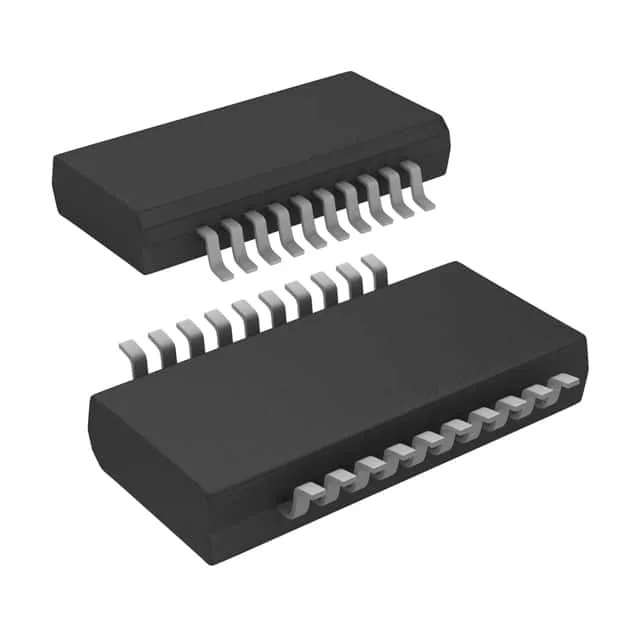
Texas Instruments PLL1708DBQRG4 — Clock & Timing ICs

PLL1708DBQRG4 PLL Multi-Clock Generator, 36.87 MHz, 20-SSOP

MPNPLL1708DBQRG4
End of Life

Texas Instruments PLL1708DBQRG4, PLL Multi-Clock Generator, 36.87 MHz max frequency, 1:6 input:output ratio, 2.7 V to 3.6 V supply, -25°C to 85°C, 20-SSOP package, Active.

Sourced new & surplus through independent channelsAuthenticity-screened · ESD-safe packingListing updated Aug 2026

Specifications

PLL1708DBQRG4 specifications
ParameterValue
TypePLL Multi-Clock Generator
MountingSurface Mount
Voltage2.7V ~ 3.6V
Frequency36.87MHz
Operating temperature-25°C~85°C
PLLYes
InputCMOS, Crystal
OutputCMOS
PackageTape & Reel (TR)
Case20-SSOP (0.154\", 3.90mm Width)
Divider (Multiplier)Yes/No
Number of circuits1
Ratio - Input:Output1:6
Differential - Input:OutputNo/No

Product details

PLL multi-clock generator — six outputs from one reference

The Texas Instruments PLL1708DBQRG4 is a PLL-based multi-clock generator that accepts a single CMOS or crystal input and delivers six synchronized CMOS clock outputs. The 1:6 ratio saves board space and BOM cost in systems that need multiple phase-aligned clocks — think audio codec arrays, multi-channel ADC clock trees, or video timing chains where each converter wants its own master clock.

36.87 MHz ceiling — where it fits the clock tree

Maximum output frequency is 36.87 MHz. That is a natural fit for 48 kHz-based audio sample rates at 256× oversampling (12.288 MHz) or 384× (18.432 MHz), and for lower-speed video pixel clocks in VGA or NTSC/PAL timing. It will not drive a 100 MHz FPGA fabric clock — that is a different tier of PLL. The divider/multiplier block is present (divider yes, multiplier no), so the output frequencies are integer sub-multiples of the input reference, not synthesized up.

Frequently asked questions

Is PLL1708DBQRG4 obsolete or active?

The PLL1708DBQRG4 is listed as active.

What is the maximum frequency of PLL1708DBQRG4?

The maximum output frequency is 36.87 MHz. This ceiling suits audio master clocks at common oversampling rates and lower-speed video pixel clocks, but not high-speed FPGA fabric clocks above 100 MHz.