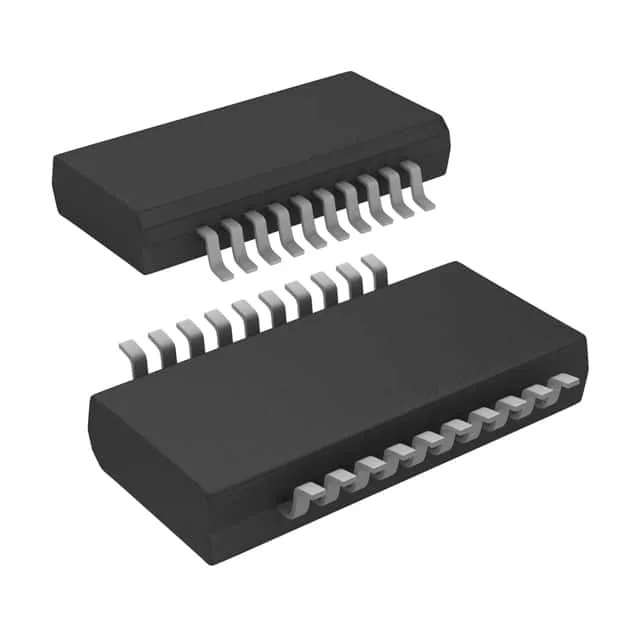
Texas Instruments PLL1707IDBQRQ1 — Clock & Timing ICs

PLL1707IDBQRQ1 PLL Clock Generator, 36.864 MHz, AEC-Q100

MPNPLL1707IDBQRQ1
Active

Texas Instruments PLL1707IDBQRQ1, PLL clock generator, 1 circuit, 1:6 input:output, max 36.864 MHz, CMOS/Crystal input, CMOS output, 2.7V-3.6V supply, -40°C~85°C, AEC-Q100, 20-SSOP surface mount.

$2.9610Ref. price · indicative, final on quote
Sourced new & surplus through independent channelsAuthenticity-screened · ESD-safe packingListing updated Aug 2026

Specifications

PLL1707IDBQRQ1 specifications
ParameterValue
SeriesAutomotive, AEC-Q100
MountingSurface Mount
Voltage2.7V ~ 3.6V
Frequency36.864MHz
Operating temperature-40°C~85°C
PLLYes
InputCMOS, Crystal
OutputCMOS
PackageTape & Reel (TR); Cut Tape (CT)
Case20-SSOP (0.154\", 3.90mm Width)
Divider (Multiplier)Yes/No
Number of circuits1
Ratio - Input:Output1:6
Differential - Input:OutputNo/No

Product details

36.864 MHz clock distribution for automotive systems

The Texas Instruments PLL1707IDBQRQ1 is a single-circuit PLL clock generator that accepts either a CMOS or crystal reference and delivers up to six synchronized CMOS outputs, with a maximum output frequency of 36.864 MHz.

Supply and crystal matching

With a 1:6 input-to-output ratio, a single reference can feed six clock domains, reducing external buffer count and board area in multi-IC designs.

Frequently asked questions

Is PLL1707IDBQRQ1 a drop-in replacement for PLL1707IDBQR?

The base product number PLL1707 is shared, and the package (20-SSOP) and pinout are identical. The suffix IDBQRQ1 indicates AEC-Q100 automotive qualification, while the non-Q1 variant lacks that qualification. Electrically they are the same, so the Q1 version is a drop-in replacement for the non-Q1 in any design that can accept the automotive-grade temperature range.

What is the maximum output frequency of PLL1707IDBQRQ1?

The maximum output frequency is 36.864 MHz, which sets the upper bound for the clock tree this PLL can drive.

Does PLL1707IDBQRQ1 support crystal inputs?

Yes, the input stage accepts both CMOS logic levels and a crystal resonator, giving flexibility to use a standalone crystal as the reference without an external oscillator.