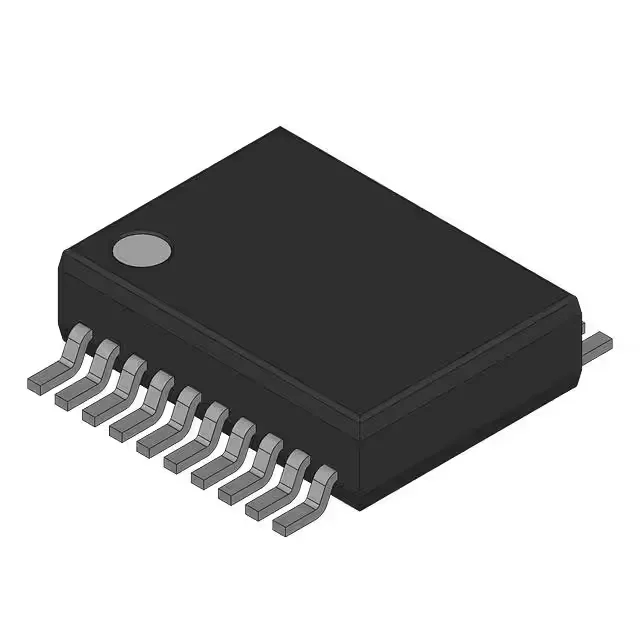
Texas Instruments PLL1706DBQ — Clock & Timing ICs

PLL1706DBQ Texas Instruments Clock Generator, 36.87 MHz

MPNPLL1706DBQ
Active

Texas Instruments PLL1706 PLL Multi-Clock Generator, PLL1706DBQ, 36.87 MHz max, 2.7V-3.6V supply, 1:6 ratio, -25°C to 85°C, 20-SSOP surface mount.

$4.0451Ref. price · indicative, final on quote
Packaging20-SSOP (0.154", 3.90mm Width)
Independent supplier — new & surplus stockAuthenticity-screened · ESD-safe packingListing updated Aug 2026

Specifications

PLL1706DBQ specifications
ParameterValue
TypePLL Multi-Clock Generator
MountingSurface Mount
Supply voltage2.7V ~ 3.6V
Frequency - max36.87MHz
Operating temperature-25°C~85°C
PLLYes
InputCMOS, Crystal
OutputCMOS
PackageTube
Case20-SSOP (0.154\", 3.90mm Width)
Divider (Multiplier)Yes/No
Number of circuits1
Ratio - Input:Output1:6
Differential - Input:OutputNo/No

Product details

What the 1:6 clock ratio means for your clock tree

The PLL1706DBQ is a dual PLL multi-clock generator from Texas Instruments that takes one CMOS or crystal input and delivers six CMOS clock outputs. The 1:6 ratio means a single reference oscillator feeds six independent clock domains — useful for distributing a master clock to multiple ASICs, FPGAs, or converters without adding separate fan-out buffers. The maximum output frequency is 36.87 MHz, which covers common audio, video, and serial interface rates but not gigabit-speed SERDES reference clocks.

Supply voltage and temperature range — design margin check

The operating temperature span is -25°C to 85°C, which is industrial grade but not extended industrial; it suits indoor equipment and telecom cabinets but not under-hood automotive or outdoor enclosures exposed to direct sun.

Package and board-fit — 20-SSOP footprint

The supplier device package is 20-SSOP, which matches the common 20-lead SSOP land pattern.

Frequently asked questions

What is the maximum output frequency of the PLL1706DBQ?

The maximum output frequency is 36.87 MHz. This covers audio, video, and common serial interface clock rates but not high-speed SERDES reference clocks above 100 MHz.

What is the input-to-output ratio of the PLL1706DBQ?

The ratio is 1:6, meaning one input (CMOS or crystal) produces six CMOS clock outputs. This eliminates the need for separate clock fan-out buffers in multi-load clock trees.