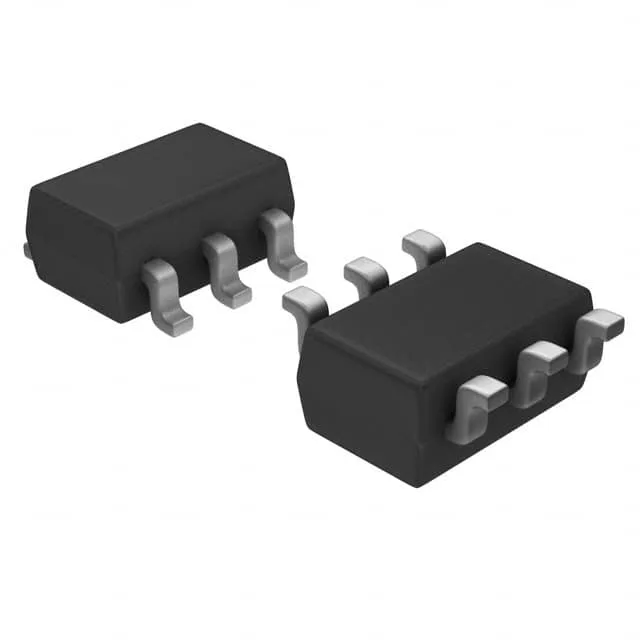
The 1 µV input offset voltage is the headline number that separates this from a general-purpose op-amp — it is the reason you can amplify a 10 µV thermocouple signal without calibrating out the amplifier's own error. The 100 pA input bias current keeps the offset error from source impedance low, so high-resistance sensor bridges or photodiode front-ends do not add a significant voltage drop across the input network. The 600 µA supply current is not micropower — a dedicated nanopower amp draws half that — but it is low enough for battery-operated instruments that spend most of their time in a low-power mode and wake periodically to take a measurement.
Slew rate and bandwidth — where the AC limits sit
Do not plan to use it as a high-speed ADC driver or for video — the slew rate limits full-power bandwidth to roughly 100 kHz at 2 Vpp output swing.