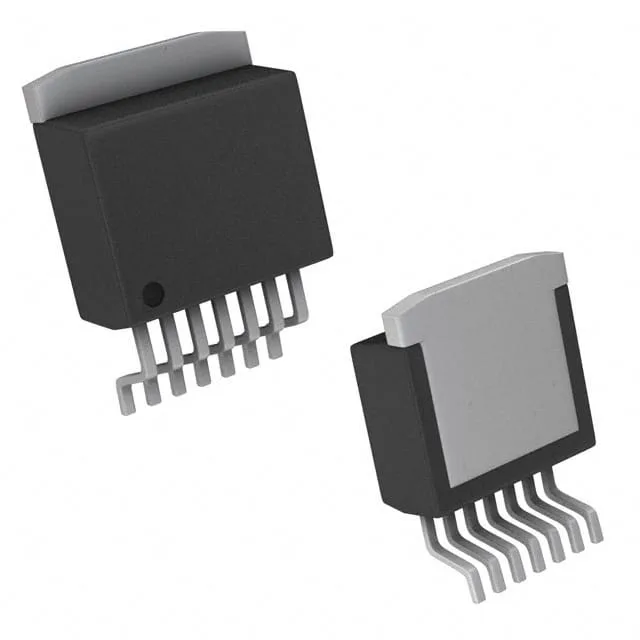
Supply range and thermal design — what the 80 V rail means for the BOM
The 20 V to 80 V supply span is the defining spec: this op-amp works directly from unipolar rails like 24 V, 48 V, or 72 V industrial buses without needing a separate low-voltage regulator. The 5.5 mA quiescent supply current is modest for a high-voltage part, keeping the standing power manageable.
Input characteristics for precision work
Input bias current is 7 pA — a CMOS-input stage that keeps error low when the source impedance is high, such as a photodiode or a high-value resistor divider. Input offset voltage is 1 mV, typical for a general-purpose amplifier, so for sub-millivolt accuracy you would budget a trim or select a precision-grade sibling. The 10 V/µs slew rate is enough to reproduce 100 kHz square waves at 20 V swing without visible rounding, which matters in PWM dither or solenoid drive.