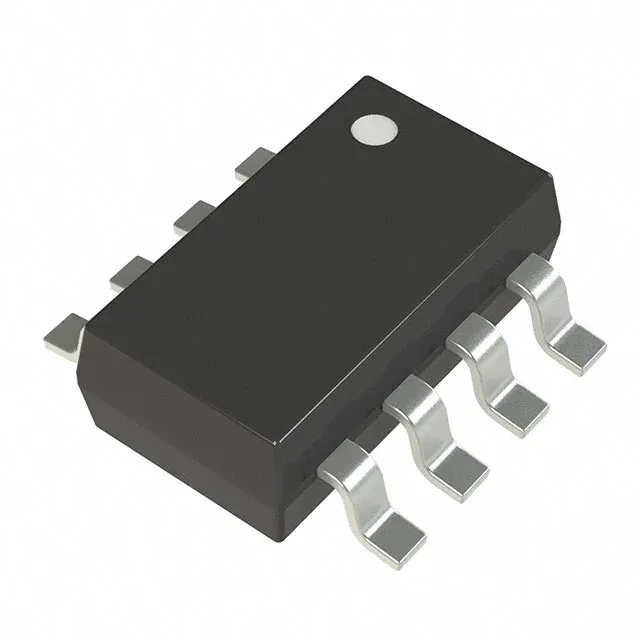
Texas Instruments OPA2992IDDFR — Memory (DRAM / SRAM / Flash / EEPROM)

TI OPA2992IDDFR dual op-amp, 10.6 MHz GBW, TSOT-23-8

MPNOPA2992IDDFR
End of Life

Texas Instruments OPA2992 series dual general-purpose op-amp, 10.6 MHz gain bandwidth, 32 V/µs slew rate, rail-to-rail output, TSOT-23-8 package, -40 to +125°C.

$2.01Ref. price · indicative, final on quote
PackagingSOT-23-8
RoHSROHS3 Compliant
Independent supplier — new & surplus stockAuthenticity-screened · ESD-safe packingListing updated Aug 2026

Specifications

OPA2992IDDFR specifications
ParameterValue
Output typeRail-to-Rail
MountingSurface Mount
Amplifier typeGeneral Purpose
Voltage - input offset210 mV
Current - supply2.4mA (x2 Channels)
Current - input bias10 pA
Current - output (Channel)65 mA
Operating temperature-40°C ~ 125°C (TA)
Gain bandwidth product10.6 MHz
PackageTape & Reel (TR); Cut Tape (CT)
Slew rate32V/µs
CaseSOT-23-8
Number of circuits2

Product details

Dual op-amp for signal conditioning in tight spaces

The OPA2992IDDFR is a dual-channel general-purpose operational amplifier from Texas Instruments, packing two independent op-amps into a TSOT-23-8 package. With a 10.6 MHz gain-bandwidth product and a 32 V/µs slew rate, it handles fast sensor signals and audio-band filtering without the phase lag of slower parts. Each channel delivers rail-to-rail output swing and can source or sink 65 mA — enough to drive an ADC input or a small analog meter directly. The 2.4 mA total supply current (1.2 mA per channel) keeps the thermal budget low in a multi-amp design.

Where it fits on the board and in the system

Surface-mount TSOT-23-8 footprint — the same 2.9 mm × 1.6 mm body as a standard SOT-23-8, so the layout matches existing pads for that package. The -40°C to +125°C operating range covers industrial and automotive under-hood environments without derating. Input bias current is just 10 pA typical, which means negligible voltage drop across high-impedance sources like photodiode transimpedance stages or pH probe buffers. The 210 mV input offset voltage is the max across temperature — not the typical — so budget that into the error budget for precision DC paths.

Frequently asked questions

How does the OPA2992IDDFR compare to the TLV9362IDDFR?

The TLV9362IDDFR is a close sibling in the same TSOT-23-8 package with the same 10.6 MHz gain-bandwidth product and 10 pA input bias current. The OPA2992IDDFR has a higher slew rate (32 V/µs vs 25 V/µs) and a lower input offset voltage (210 mV max vs 400 µV max), making it the better choice for faster signal edges and tighter DC accuracy.