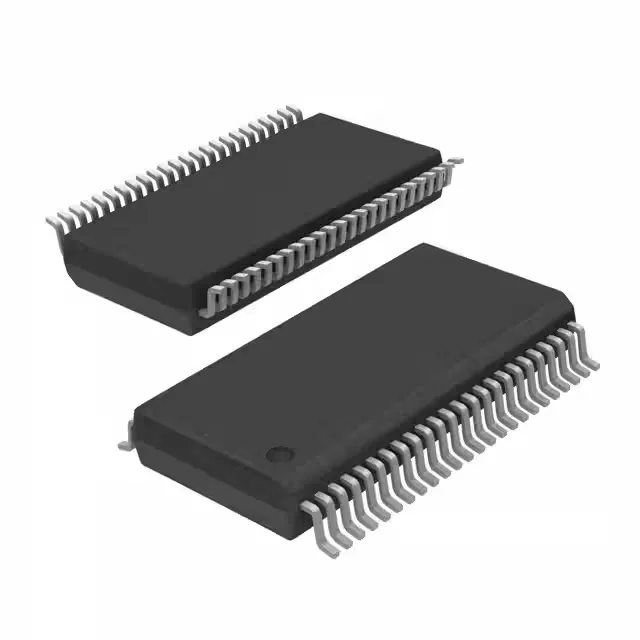
16-bit OTP MCU — what the specs mean for a BOM line
It carries 16 KB of OTP (one-time programmable) program memory and 512 x 8 bytes of RAM, with 14 general-purpose I/O lines, an internal oscillator, a slope A/D converter, and integrated LCD drive, POR, and WDT peripherals. This part was designed for cost-sensitive embedded control applications where the firmware is finalized before production — the OTP memory means no field updates are possible, so the code must be locked down at the factory.
OTP memory: no field updates possible
The 16 KB program memory is OTP — one-time programmable. This is the single most important design constraint. Once the device is programmed, the firmware cannot be changed, patched, or updated. That makes it a fit only for applications where the software is fully verified and frozen before production, such as sealed sensor nodes, fixed-function controllers, or disposable medical electronics. The 512 x 8 RAM is tight — enough for small buffers and a modest call stack, but not for data logging or large frame buffers. Designs that need field-reprogrammability should look at the flash-based MSP430F315 variant instead.
That means new designs should not start with this part.