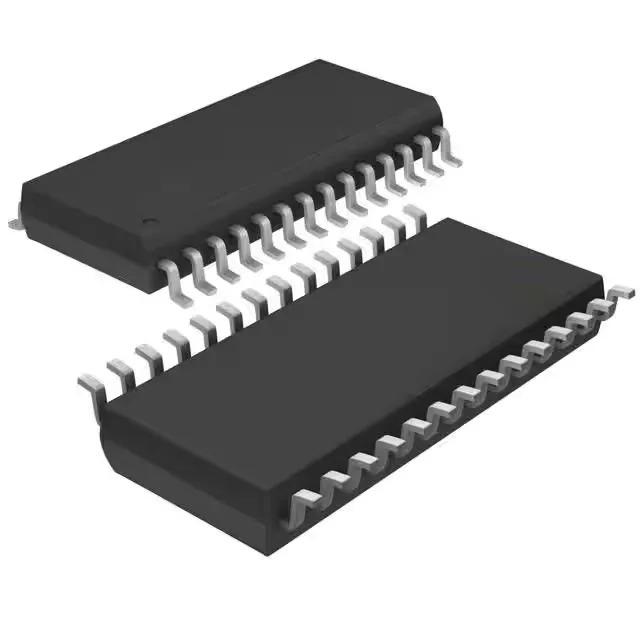
Texas Instruments MSP430G2453IPW28 — Microcontrollers & Processors (MCU / MPU / DSP)

Texas Instruments MSP430G2453IPW28 16-bit MCU, 16 MHz

MPNMSP430G2453IPW28
Active

Texas Instruments MSP430G2xx series 16-bit MCU, MSP430 CPU16 core, 16 MHz, 8 KB Flash, 512 x 8 RAM, 24 I/O, I²C/SPI/UART, -40°C to 85°C, 28-TSSOP.

$3.3500Ref. price · indicative, final on quote
Independent supplier — new & surplus stockAuthenticity-screened · ESD-safe packingListing updated Jul 2026

Specifications

MSP430G2453IPW28 specifications
ParameterValue
SeriesMSP430G2xx
MountingSurface Mount
Oscillator typeInternal
Program memory typeFLASH
Voltage - supply (Vcc (Vdd))1.8V ~ 3.6V
Operating temperature-40°C~85°C(TA)
Speed16MHz
PackageTube
RAM size512 x 8
Core size16-Bit
PeripheralsBrown-out Detect/Reset, DMA, POR, PWM, WDT
ConnectivityI²C, IrDA, LINbus, SCI, SPI, UART/USART
Number of i (O)24
Core processorMSP430 CPU16
Case28-TSSOP (0.173\", 4.40mm Width)
Data convertersA/D 8x10b
Program memory size8KB (8K x 8)

Product details

16 MHz CPU16 core with 8 KB Flash — what it handles

The MSP430G2453IPW28 is a 16-bit MCU built around the MSP430 CPU16 core clocked at 16 MHz. The 24 general-purpose I/O pins and integrated peripherals (brown-out detect, DMA, PWM, watchdog timer) reduce external glue logic.

Connectivity and analog integration

This MCU includes I²C, SPI, and UART serial interfaces plus an 8-channel 10-bit ADC — a typical fit for sensor aggregation, low-speed data acquisition, or human-machine interface panels.

Frequently asked questions

What is the closest pin-compatible alternative to MSP430G2453IPW28 in this family?

Within the MSP430G2xx series, higher-density Flash and RAM options share the same 28-TSSOP pinout — for example, parts with 16 KB or 32 KB Flash are pin-compatible drop-ins when more code space is needed. Confirm the specific alternate order code against your firmware image size.

What programming tools work with MSP430G2453IPW28?

Standard TI MSP430 debug tools such as the MSP-FET or eZ-FET (on LaunchPad boards) support the Spy-Bi-Wire (SBW) two-wire interface. The internal oscillator means no external clock is needed during programming.