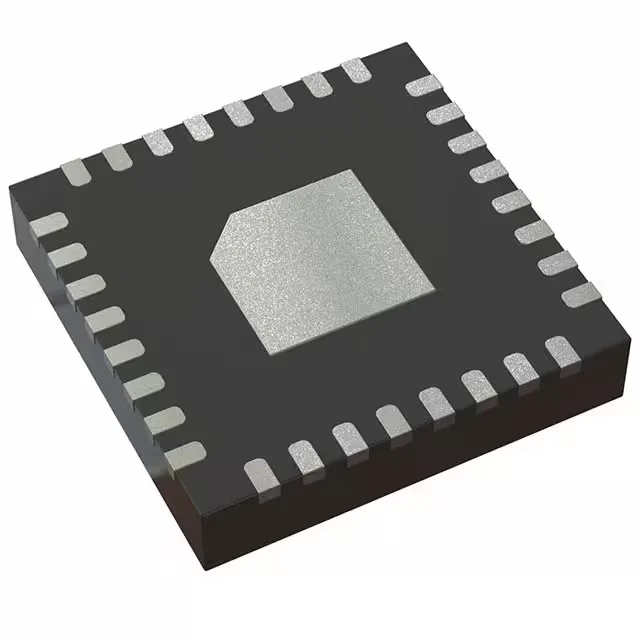
Texas Instruments MSP430G2203IRHB32T — Microcontrollers & Processors (MCU / MPU / DSP)

MSP430G2203IRHB32T 16-Bit MCU, 2KB Flash, 16 MHz, 32-VQFN

MPNMSP430G2203IRHB32T
Active

Texas Instruments MSP430G2xx series 16-bit MCU, MSP430G2203IRHB32T, 16MHz, 2KB Flash, 256 x 8 RAM, 24 I/O, I²C/SPI/UART, 1.8V-3.6V, -40°C~85°C, 32-VFQFN Exposed Pad, Tape & Reel.

$2.8900Ref. price · indicative, final on quote
Packaging32-VFQFN Exposed Pad
RoHSROHS3 Compliant
SeriesMSP430G2xx
Independent supplier — new & surplus stockAuthenticity-screened · ESD-safe packingListing updated Aug 2026

Specifications

MSP430G2203IRHB32T specifications
ParameterValue
SeriesMSP430G2xx
MountingSurface Mount
Oscillator typeInternal
Program memory typeFLASH
Voltage - supply (Vcc (Vdd))1.8V ~ 3.6V
Operating temperature-40°C~85°C(TA)
Speed16MHz
PackageTape & Reel (TR); Cut Tape (CT)
RAM size256 x 8
Core size16-Bit
PeripheralsBrown-out Detect/Reset, PWM, WDT
ConnectivityI²C, IrDA, LINbus, SCI, SPI, UART/USART
Number of i (O)24
Core processorMSP430 CPU16
Case32-VFQFN Exposed Pad
Program memory size2KB (2K x 8)

Product details

It belongs to the MSP430G2xx value-line series, designed for ultra-low-power sensing and control applications.

2 KB Flash and 256-byte RAM — sizing the firmware budget

With 2 KB of Flash and 256 bytes of RAM, this MCU targets simple control loops, sensor readout, and communication bridging. The 16 MHz clock allows tight timing for bit-banged protocols or PWM generation, but the firmware must fit within the 2 KB program memory — no room for a full RTOS or large lookup tables. The 256-byte RAM limits stack depth and buffer sizes; careful allocation is needed for interrupt service routines and serial data handling.

The brown-out detect resets the core cleanly during supply droop, critical for battery-operated systems.

Package and footprint — 32-VFQFN with exposed pad

The supplier device package is 32-VQFN (5x5).

It is ROHS3 compliant.

Frequently asked questions

What is MSP430G2203IRHB32T's listed speed?

The core processor runs at 16 MHz, which is the maximum clock frequency supported by the internal oscillator.