Texas Instruments MSP430G2202IRSA16R — 16-bit ultra-low-power MCU
2 KB Flash, 256 B RAM — the memory budget matters
With 2 KB of program Flash and 256 bytes of RAM, firmware must be lean. The Flash is enough for a state machine, a few look-up tables, and a serial bootloader; the RAM limits stack depth and buffer count. If your application needs data logging beyond a few bytes, or a multi-priority RTOS, this part will hit the ceiling. For a single-task sensor poller or a simple PWM generator, it is a cost-optimised fit.
16 MHz core — clock tree and timing
The 16 MHz CPU speed is the maximum system clock with an internal oscillator. No external crystal is required for full-speed operation, which saves board area and BOM cost. At 16 MHz the Flash needs zero wait states, so instruction fetch is single-cycle — no pipeline stall penalty for tight loops. If your timing budget demands a precise baud rate or a real-time control loop above a few kHz, the 16 MHz ceiling is adequate for most 8/16-bit-class tasks.
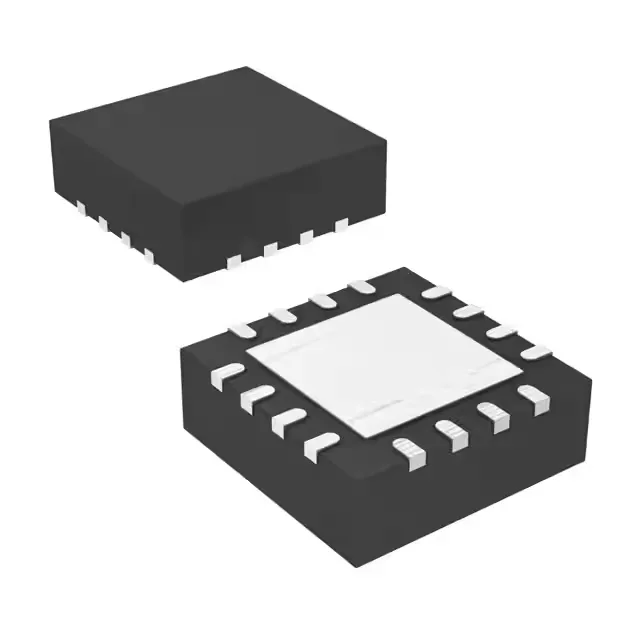
Package and layout — 16-QFN with exposed pad
The MSP430G2202IRSA16R comes in a 16-VQFN exposed-pad package (4x4 mm body). Ten I/O lines are available on the 16-pin QFN — enough for a few sensor inputs, a serial bus, and a couple of control outputs.
The part is a current-production item, and we source it through franchised and independent distribution channels.