A low-power 16-bit MCU for sensor and control tasks
The MSP430G2112IRSA16T: 16 MHz, 1 KB Flash, 128 B RAM, 10 I/O, I²C/SPI/USI.
The 16 MHz clock rate is modest by today's MCU standards, but it aligns with the MSP430 architecture's strength: drawing microamps in standby while waking to handle a sensor reading or a communication packet in a few microseconds. For a design that samples a temperature sensor once per second and transmits over I²C, the 16 MHz burst capability keeps the active duty cycle short, letting the part spend most of its time in a low-power sleep mode. The 1 KB Flash is the real limiter — expect to fit a small state machine, a few register-configuration tables, and a stripped-down I²C or SPI driver. If the application needs over-the-air firmware updates or a complex protocol stack, this part will overflow; it is sized for fixed-function, factory-programmed firmware.
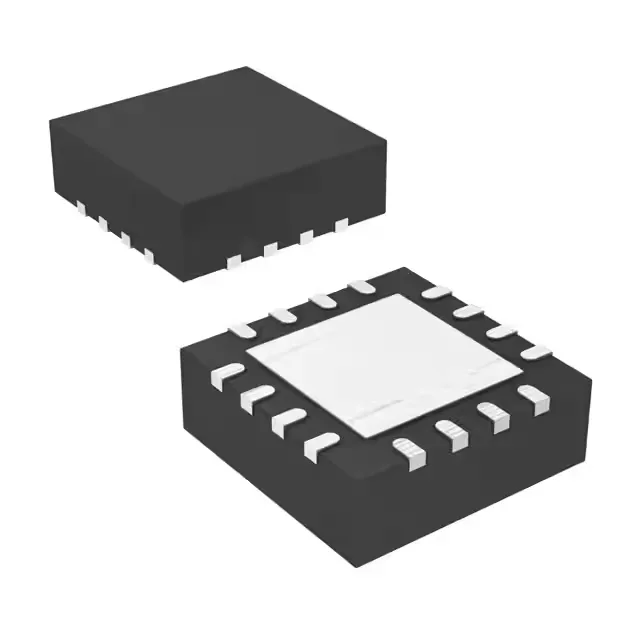
Package and board integration: 16-QFN with exposed pad
Package is 16-VQFN with exposed pad (16-QFN, 4x4 mm). 10 I/O pins multiplexed with USI for I²C and SPI.
For procurement teams, the active status means standard lead times and no premium for last-time-buy quantities.