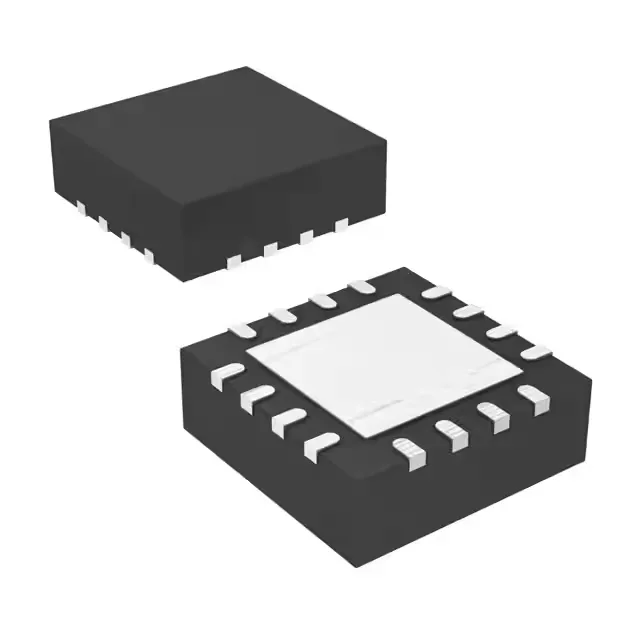
The MSP430G2112IRSA16R: The 10 general-purpose I/O lines, plus I²C, SPI, and USI serial interfaces, make it a fit for low-pin-count embedded sensing and actuator nodes in industrial, consumer, and battery-powered equipment.
16 MHz, 1 KB Flash, 128 B RAM — sizing the firmware envelope
The 16 MHz core speed is modest by today's standards but sufficient for periodic sensor reads, serial communication, and state-machine logic at sub-milliamp current draw. The real constraint is the 1 KB Flash and 128-byte RAM: a compiled C project with a modest I²C driver, a few ADC reads, and a PWM output will fill that space quickly. Plan for hand-optimised assembly or a lean state machine if the application needs more than a few hundred lines of code. The 128 x 8 RAM (128 bytes) is the working memory — no room for buffering; every byte counts. This part is sized for the smallest firmware images, not for over-the-air updates or complex protocol stacks.
The 16-VQFN Exposed Pad package (4x4 mm) requires a thermal pad via stitch for heat dissipation if the MCU drives continuous I/O loads near the package current limit.
This means the manufacturer has ended production and no further factory orders are accepted. For existing BOM lines, the only supply channel is independent distribution — surplus inventory, factory overruns, or sealed reels from end-of-life buyouts. If you need a production-part number that is still in active manufacture, a pin-compatible higher-density sibling in the same G2xx family is the practical path forward.