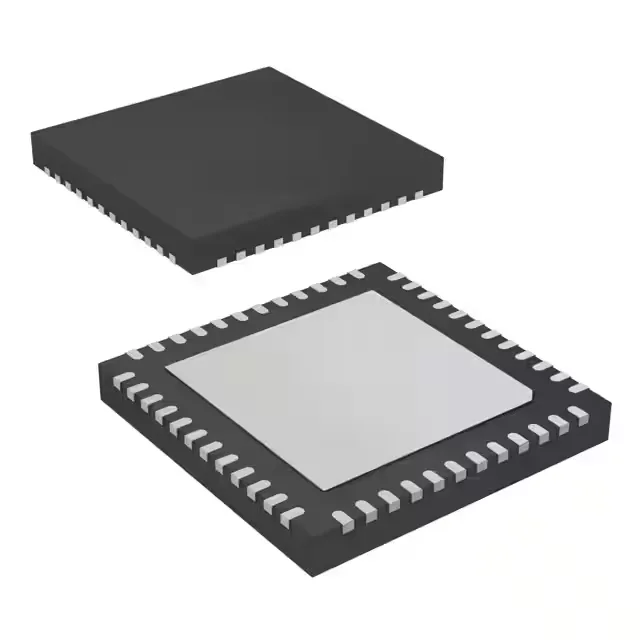
FRAM — why it matters for the BOM
FRAM replaces both Flash and EEPROM in one unified memory block. You get the non-volatility of Flash with write speeds closer to SRAM and essentially unlimited write cycles. That means no wear-leveling code, no block-erase delays, and the ability to treat a portion of the FRAM as data-logging storage. For designs that log sensor readings or keep configuration parameters that change often, this removes a whole class of firmware complexity. The 48 KB program space is enough for moderate control loops, communication stacks, and a small RTOS.
The 16-channel 12-bit ADC samples at rates suitable for low-speed data acquisition — think temperature, pressure, or current-sense inputs.