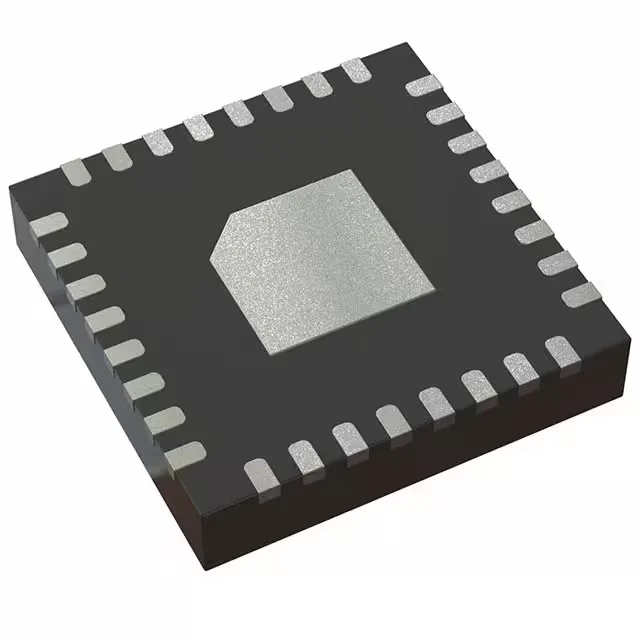
FRAM-based 16-bit MCU for low-power sensing and control
FRAM replaces conventional Flash and EEPROM — it writes at bus speed without erase cycles, draws lower active and standby current, and unifies code and data storage in a single non-volatile space. This makes the part a natural fit for applications that log sensor data, maintain configuration across power cycles, or need field firmware updates without wearing out memory cells.
FRAM vs Flash — what the memory type means for your firmware strategy
FRAM writes at full bus speed — no erase-before-write penalty, no sector-erase wait states. For a control loop that logs 16-bit readings at 1 kHz, FRAM can store each sample in a single cycle without blocking the CPU. Flash-based MCUs at this price point typically require a 4 KB or 64 KB sector erase (several milliseconds) before rewriting any byte in that sector. The endurance difference is also practical: FRAM is rated for 10^15 write cycles per bit versus Flash's 10^4–10^5 cycles per sector. Wear-leveling firmware is optional here, not mandatory. The 16.5 KB FRAM array is split between code and data at compile time. There is no separate EEPROM block — the linker script defines the boundary.
Supply range and I/O — single-rail operation and peripheral mix
No secondary LDO needed for the core. The 27 I/O pins include the serial interface pins and ADC inputs, so a typical sensor node with I²C temperature sensor, SPI display, and UART debug port leaves enough GPIO for pushbuttons and LED indicators. The watchdog timer and PWM outputs cover basic motor drive or LED dimming without a separate timer IC.
Package and thermal — 32-VFQFN with exposed pad
The datasheet's recommended footprint shows a 3.2 mm × 3.2 mm solder-paste aperture on the pad with nine vias. Without those vias, junction temperature rises faster above 85°C ambient when running the ADC and serial interfaces simultaneously.
No last-time-buy notice has been issued. The part is ROHS3 compliant per the current revision. For new designs, this means no near-term supply discontinuity and no exemption expiry to track.