Active production, no end-of-life notice
The MSP430F5151IYFFT: ROHS3 compliant per the current revision.
The MSP430 CPUXV2 core runs at 25 MHz, which is the headline speed for this 16-bit MCU. In practice, that translates to a 40 ns instruction cycle time — fast enough to close a current-control loop in a motor drive or handle bit-banged serial protocols without a dedicated peripheral. The 2 KB RAM (2K x 8) is the tight constraint here: a full USB stack or a TCP/IP offload won't fit, but a sensor-fusion state machine with a few 256-byte buffers will. The 16 KB Flash (16K x 8) holds moderate firmware including a bootloader and application code, with room for field-upgrade staging if you keep the image under 12 KB.
Industrial temperature range and peripheral fit
The internal oscillator (no external crystal needed for basic operation) saves two pins and a few cents on the BOM, though timing-critical applications should still feed it a stable reference.
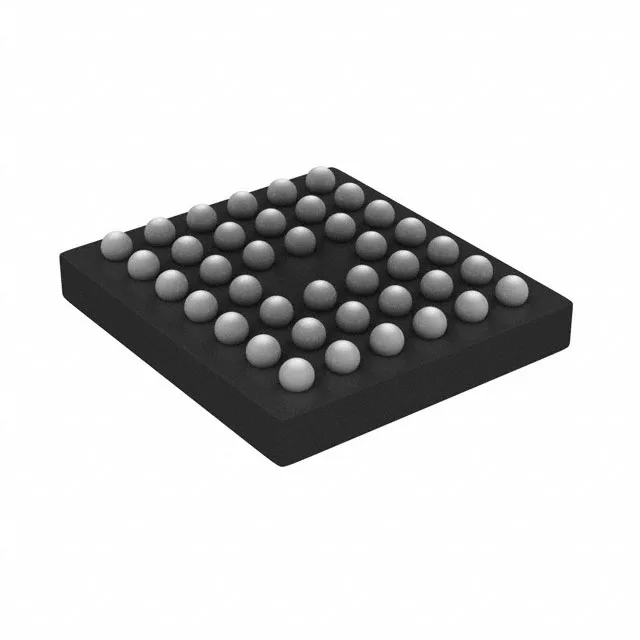
40-DSBGA — board area vs. assembly care
The 40-DSBGA (0.4 mm pitch wafer-level chip-scale package) is the smallest footprint for this MCU — roughly 2.6 mm × 2.6 mm. That saves board space in a compact sensor node or handheld device, but the package is moisture-sensitive and requires a controlled reflow profile. Rework with hot air is possible but needs a fine-tip nozzle and steady hands — the solder balls are under the die, not visible for alignment.