What this MSP430 variant brings to the board
It runs at 8 MHz and packs 48 KB of program Flash plus 2K x 8 of RAM — enough for moderate sensor-fusion or metering firmware without external memory. The standout feature here is the integrated analog: five 16-bit ADC channels and one 12-bit DAC, which saves board space and BOM cost in designs that need precision measurement and a clean analog output. The 113-VFBGA Microstar Junior package (7x7 mm) keeps the footprint small, but that BGA means rework is a hot-air station job — not a field-swap part.
If you have this on a legacy BOM, you are looking at the independent surplus and broker channel for supply. No direct factory orders; no lead-time promise from TI. Plan for a qualification effort if you need to move to a current-production alternate.
8 MHz core and the analog payload
At 8 MHz the CPU16 core is not a speed demon — this is a power-conscious part, not a number cruncher. The real value is the 16-bit ADC resolution: five channels give you simultaneous or multiplexed readings for multi-sensor inputs (pressure, temperature, flow) without an external ADC. The single 12-bit DAC handles one analog output, say a setpoint or a waveform. The 48 I/O lines, with the LCD driver and PWM peripheral, make it a fit for instrument panels or motor-control interfaces that need local display drive.
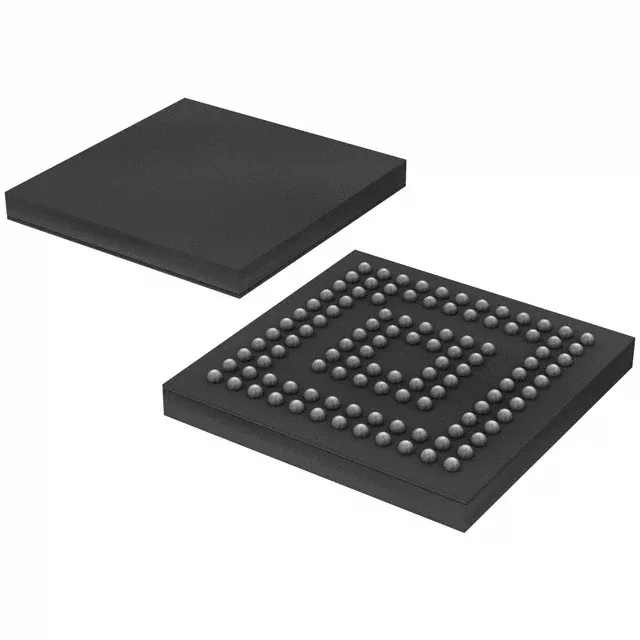
The 113-ball VFBGA (7x7 mm array) is a fine-pitch BGA. No lab, no bench, let us go — but you will need a rework station with a bottom heater and a stencil for solder paste. The package is MSL-rated; check the moisture-sensitive label before baking. This is not a socketed part you swap in the field; it is a production-solder device.