What this 16-bit MCU brings to a low-power design
1 KB Flash — sizing the firmware budget
The 1 KB Flash (1K x 8 plus 256 bytes of information memory) is the tightest resource on this part. It suits a single-purpose task — a temperature monitor that reads a thermistor and drives a PWM fan, a simple keypad scanner, or a one-wire sensor interface. If your firmware needs a USB stack, a RTOS, or any significant lookup table, you will overflow before the first peripheral is initialized. The 128 x 8 RAM is similarly lean; expect to manage variables carefully and use the Flash for constants where possible.
The 16 MHz core clock is the throughput ceiling. At that speed the CPU16 can execute most single-cycle instructions, so a tight control loop sampling an analog input via the slope A/D and updating a PWM output can run at tens of kilohertz. If your application needs precise timekeeping or CAN bus, plan to feed an external clock source.
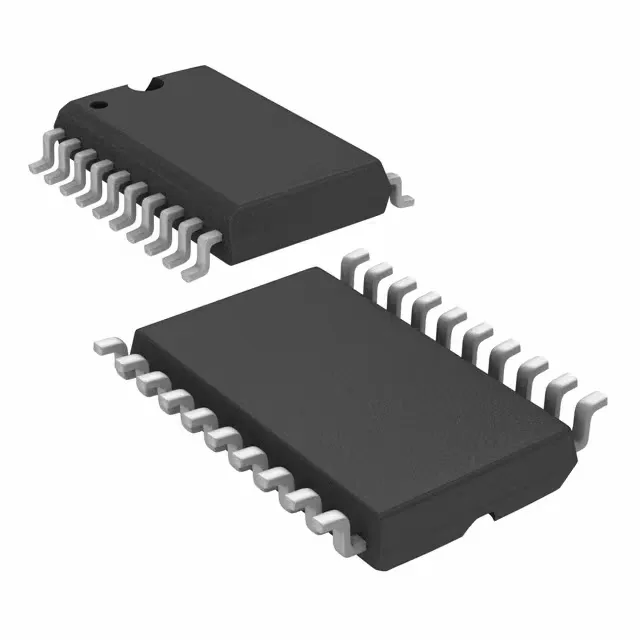
The wide SOIC package is easier to hand-solder and inspect than a TSSOP, and it fits standard 1.27 mm pitch layouts.