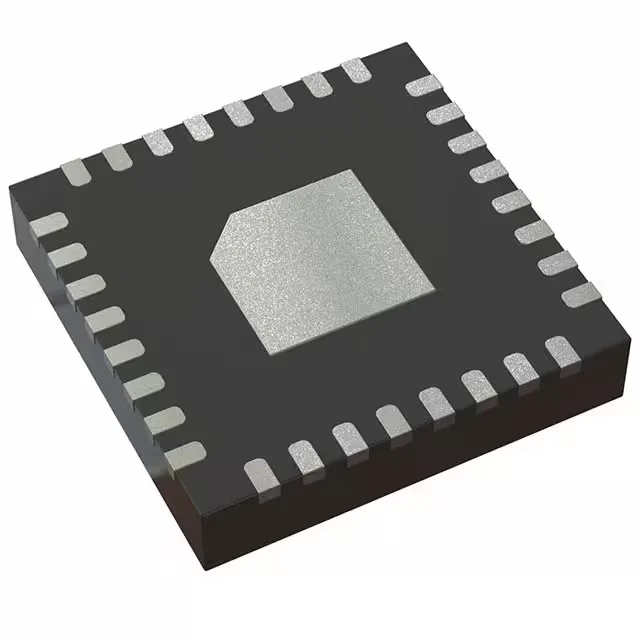
MSP430F123IRHBT — 16-bit ultra-low-power MCU for sensor and control
The part integrates SPI and UART/USART serial interfaces, 22 general-purpose I/O lines, a slope A/D converter, plus POR, PWM, and WDT peripherals.
8 MHz core — enough throughput for the control loop, not the DSP
At 8 MHz the MSP430 CPU16 executes most instructions in a single cycle, so the effective MIPS is close to the clock rate. That is plenty for reading a sensor over SPI, running a PID loop, and driving a PWM output every millisecond. It is not a part for heavy number-crunching or real-time audio — the 256-byte RAM also caps the data buffer size. The trade-off is the ultra-low-power draw that the MSP430 architecture is known for, which keeps the battery alive for years in a field-deployed node.
The part is RoHS3 compliant.
SPI and UART — two serial interfaces on the same die
The MSP430F123IRHBT provides both SPI and UART/USART connectivity. This lets a single MCU talk to a SPI sensor (e.g., a temperature or pressure transducer) and simultaneously communicate over a UART link to a host controller or a radio module. No need for a second MCU or a software bit-bang implementation — the hardware handles both. The 22 I/O lines leave room for additional GPIOs for chip selects, interrupts, or status LEDs.
Industrial temperature range — rated for the factory floor
This MCU can sit inside an outdoor telecom cabinet, a factory automation module, or an engine-bay-adjacent controller without derating.