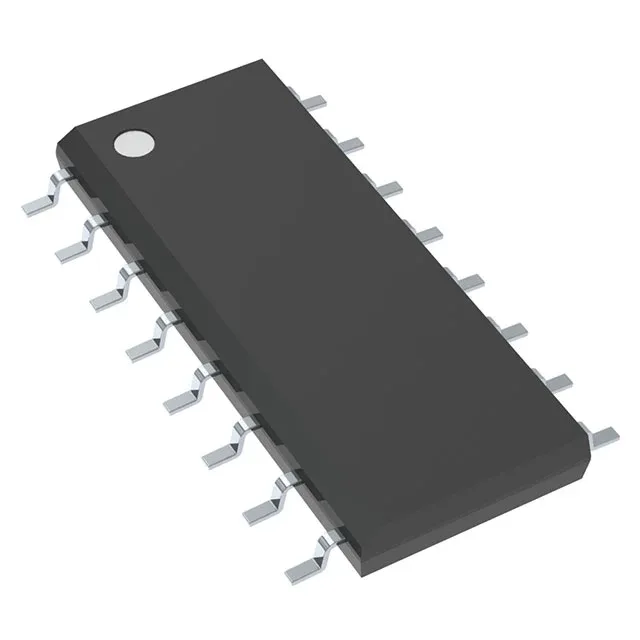
Texas Instruments MAX3232IDG4 — Interface & Transceivers

TI MAX3232IDG4 RS-232 Transceiver, 250 kbps, 16-SOIC

MPNMAX3232IDG4
Last Buy

Texas Instruments MAX3232IDG4, RS-232 transceiver, Full duplex, 250 kbps data rate, 3V ~ 5.5V supply, 2/2 drivers/receivers, 300 mV receiver hysteresis, -40°C~85°C, 16-SOIC package, Tube.

$1.8656Ref. price · indicative, final on quote
Independent supplier — new & surplus stockAuthenticity-screened · ESD-safe packingListing updated Jul 2026

Specifications

MAX3232IDG4 specifications
ParameterValue
TypeTransceiver
MountingSurface Mount
Supply voltage3V ~ 5.5V
ProtocolRS232
Operating temperature-40°C~85°C
DuplexFull
PackageTube
Data rate250kbps
Case16-SOIC (0.154\", 3.90mm Width)
Receiver hysteresis300 mV
Number of drivers (Receivers)2/2

Product details

What the Last Buy status means for your BOM

The MAX3232IDG4 is officially listed as Last Buy by Texas Instruments. This means the manufacturer has announced end-of-life and is accepting final orders on a limited-time basis. For procurement, this is the trigger to secure lifetime buy quantities or qualify a drop-in replacement before the part becomes unavailable through authorized channels. Sourcing through independent distribution is the practical path for bridging production gaps or filling a BOM line after the LTB window closes.

RS-232 transceiver with industrial temperature range

The 300 mV of receiver hysteresis provides noise rejection on the RS-232 lines, reducing false bit transitions in electrically noisy industrial settings.

Frequently asked questions

What is the replacement or alternative for MAX3232IDG4?

Pin-compatible alternatives within the MAX3232 family include the MAX3232IDR (same SOIC package, different tape/reel quantity) or the MAX3232IPWR in TSSOP-16. For a drop-in replacement, verify the pinout and charge-pump capacitor configuration with the datasheet.

What is MAX3232IDG4's listed type and duplex?

It is a full-duplex RS-232 transceiver, meaning it can transmit and receive simultaneously on separate pairs of driver and receiver channels.