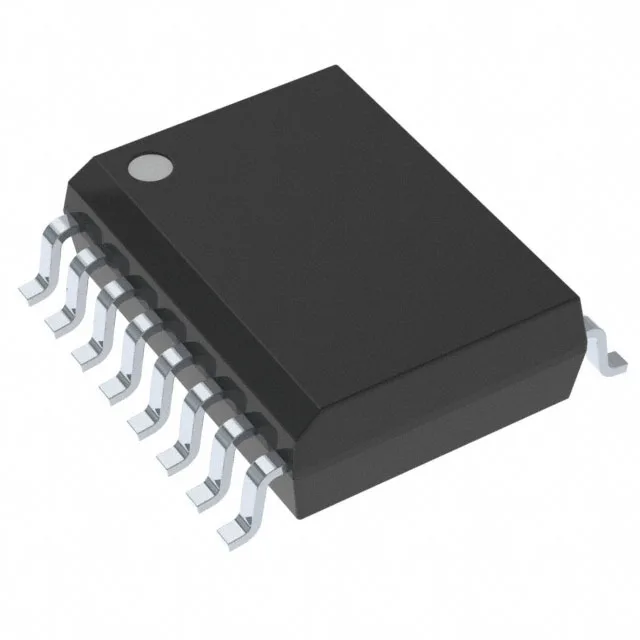
Texas Instruments MAX3232EIDWR — Interface & Transceivers

MAX3232EIDWR RS-232 Transceiver, 250 kbps, 3-5.5V, SOIC-16

MPNMAX3232EIDWR
Active

Texas Instruments MAX3232EIDWR, RS-232 Transceiver, Full Duplex, 2/2 Drivers/Receivers, 250 kbps, 3V to 5.5V Supply, -40°C to 85°C, 16-SOIC Package.

$2.1800Ref. price · indicative, final on quote
Independent supplier — new & surplus stockAuthenticity-screened · ESD-safe packingListing updated Aug 2026

Specifications

MAX3232EIDWR specifications
ParameterValue
TypeTransceiver
MountingSurface Mount
Supply voltage3V ~ 5.5V
ProtocolRS232
Operating temperature-40°C~85°C
DuplexFull
PackageTape & Reel (TR); Cut Tape (CT)
Data rate250kbps
Case16-SOIC (0.295\", 7.50mm Width)
Receiver hysteresis300 mV
Number of drivers (Receivers)2/2

Product details

What this RS-232 transceiver brings to the board

At 250 kbps this transceiver is sized for standard UART speeds up to 115200 baud with margin. It won't support the higher bit rates some newer RS-232 parts push (1 Mbps), but for the vast majority of industrial serial links — PLC programming ports, barcode scanners, serial consoles — 250 kbps is plenty. The receiver hysteresis of 300 mV cleans up noise on longer cable runs, which helps avoid bit errors on a factory floor.

Supply flexibility and 3.3 V compatibility

A 3.3 V-only MCU can drive the MAX3232EIDWR directly — no extra regulator, no level translation on the logic side. The charge-pump circuitry generates the RS-232 voltage levels internally, so the only external components are four small capacitors. This keeps the BOM simple and the board area tight.

That means no end-of-life notice on the horizon, no last-time-buy scramble.

Frequently asked questions

What is the closest pin-compatible alternative to MAX3232EIDWR?

Within the same family, the MAX3232EID (non-wide-body SOIC) is functionally identical but in a narrower 16-SOIC package (3.9 mm width vs 7.5 mm). The MAX3232EIDWR uses the wider SOIC-16 (0.295" body width). Check your board footprint before swapping.