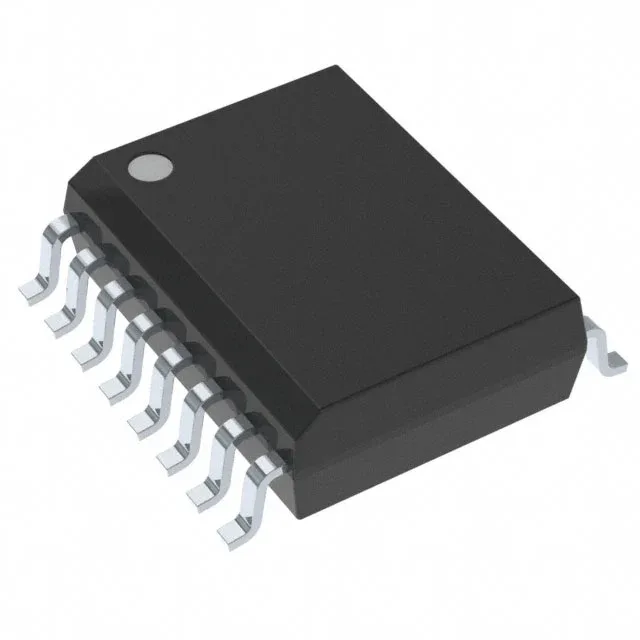
Texas Instruments MAX3232ECDWR — Interface & Transceivers

MAX3232ECDWR RS232 Transceiver, 250 kbps, 16-SOIC

MPNMAX3232ECDWR
Active

Texas Instruments MAX3232ECDWR, RS232 transceiver, full duplex 2/2, 250 kbps data rate, 3V to 5.5V supply, 16-SOIC (7.50mm width), 0°C to 70°C operating temperature.

$1.6300Ref. price · indicative, final on quote
Packaging16-SOIC (0.295", 7.50mm Width)
RoHSROHS3 Compliant
Independent supplier — new & surplus stockAuthenticity-screened · ESD-safe packingListing updated Aug 2026

Specifications

MAX3232ECDWR specifications
ParameterValue
TypeTransceiver
MountingSurface Mount
Supply voltage3V ~ 5.5V
ProtocolRS232
Operating temperature0°C ~ 70°C
DuplexFull
PackageTape & Reel (TR) Cut Tape (CT)
Data rate250kbps
Case16-SOIC (0.295\", 7.50mm Width)
Receiver hysteresis300 mV
Number of drivers (Receivers)2/2

Product details

RS232 interface IC for 3V to 5.5V logic rails

The 250 kbps data rate covers most industrial terminal, point-of-sale, and embedded debug port requirements.

The 3V to 5.5V supply range means this part can sit on a 3.3V microcontroller rail without a level shifter, or on a legacy 5V backplane. For industrial or automotive environments (motor drives, outdoor telecom, engine bay), you would need the industrial-temperature variant from the MAX3232 family.

Frequently asked questions

What is the price of MAX3232ECDWR?

Buyers need to compare costs across distributors for budget planning.

Is MAX3232ECDWR in stock?

Immediate availability affects production schedules and order fulfillment.

What is the replacement or equivalent for MAX3232ECDWR?

Engineers or procurement need alternatives if part is unavailable or obsolete.

What is the data rate of MAX3232ECDWR?

Designers must ensure the transceiver meets the communication speed requirements.

What is the operating temperature range of MAX3232ECDWR?

Critical for applications with extreme environmental conditions.

Can MAX3232ECDWR be used for RS232 communication?

Confirms the part is suitable for the intended protocol and system design.