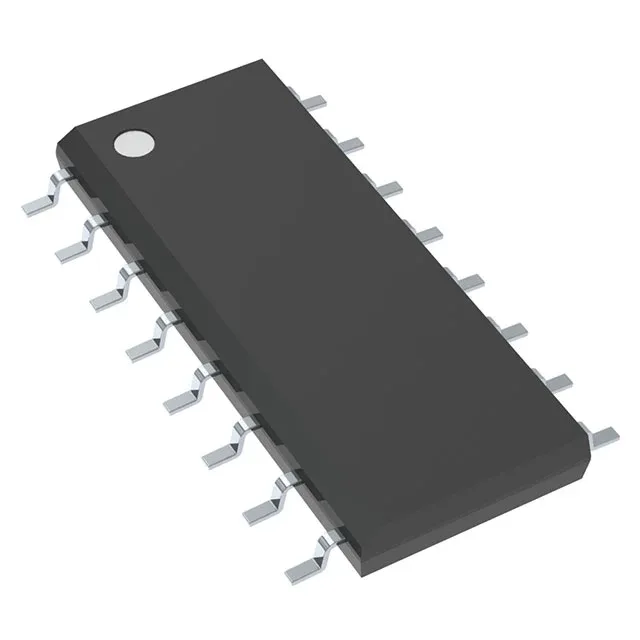
RS232 transceiver for legacy serial ports — what the MAX3232CDRE4 brings
250kbps data rate — enough for most RS232 links
At 250kbps the MAX3232CDRE4 covers the vast majority of RS232 applications — 115200 baud is the typical ceiling for many legacy devices, and this part runs more than double that. If your design needs 1Mbps or higher for high-speed instrumentation or multi-drop links, you would step up to a part like the MAX3232E series, but for standard point-to-point serial this is the right tier.
The wide supply range eliminates the need for a dedicated RS232 charge-pump supply. At 3.3V the internal charge pump still generates the ±5.5V RS232 bus levels required by the standard, so a 3.3V-only system can drive a true RS232 cable. At 5V the margin is even wider. This is the same supply flexibility that makes the MAX3232 family a go-to for mixed-voltage boards.
If your application sits in an outdoor telecom cabinet, a factory floor with ambient heat, or an engine bay, you would need the industrial-grade MAX3232IDR (-40°C to 85°C) instead. For office equipment, point-of-sale terminals, or benchtop instruments this commercial range is fine.
This means TI no longer manufactures it, and no last-time-buy window remains open. For new designs or production runs requiring a fresh, factory-direct supply, the recommended path is the active replacement discussed below.