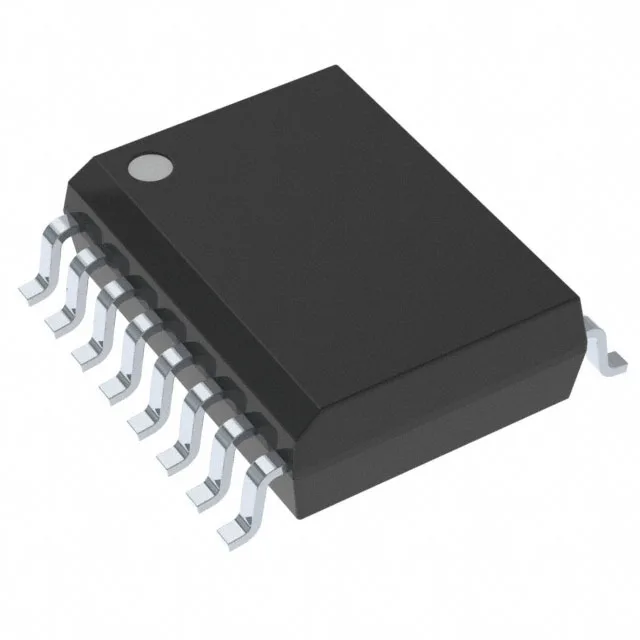
Texas Instruments MAX232ECDWR — Interface & Transceivers

MAX232ECDWR RS-232 Transceiver, 250 kbps, 16-SOIC

MPNMAX232ECDWR
Active

Texas Instruments MAX232ECDWR, RS-232 Transceiver, Full Duplex, 2/2 Drivers/Receivers, 250 kbps Data Rate, 4.5V–5.5V Supply, 0°C–70°C, 16-SOIC Package.

$1.3300Ref. price · indicative, final on quote
Packaging16-SOIC (0.295", 7.50mm Width)
RoHSROHS3 Compliant
Independent supplier — new & surplus stockAuthenticity-screened · ESD-safe packingListing updated Aug 2026

Specifications

MAX232ECDWR specifications
ParameterValue
TypeTransceiver
MountingSurface Mount
Supply voltage4.5V ~ 5.5V
ProtocolRS232
Operating temperature0°C~70°C
DuplexFull
PackageTape & Reel (TR); Cut Tape (CT)
Data rate250kbps
Case16-SOIC (0.295\", 7.50mm Width)
Receiver hysteresis500 mV
Number of drivers (Receivers)2/2

Product details

5 V-only RS-232 transceiver — what the supply range means for your rail

The 250 kbps data rate is adequate for legacy serial ports, industrial terminal interfaces, and point-of-sale equipment, but it will bottleneck a UART set to 921.6 kbps or higher.

250 kbps — enough for RS-232, not for high-speed

The 250 kbps data rate is the typical ceiling for this transceiver. That covers standard PC serial ports (115.2 kbps), many PLC and CNC interfaces, and configuration links on telecom gear. If your design needs 1 Mbps or more (e.g., for a high-speed barcode scanner or camera link), look at the MAX3221 or MAX3232 family instead — they run at 1 Mbps on a 3.3 V supply.

It is not qualified for automotive under-hood or industrial outdoor enclosures where the ambient can dip below freezing or climb above 70°C.

No exposed pad — standard SOIC land pattern applies.

Texas Instruments lists the MAX232ECDWR as an active product with ROHS3 compliance.

Frequently asked questions

What is the difference between MAX232ECDWR and MAX232?

The MAX232ECDWR is a specific ordering code within the MAX232 family. The base MAX232 (e.g., MAX232CPE) typically comes in a DIP-16 package and may have a narrower temperature range or different packaging. Electrically, both are 2/2 RS-232 transceivers at 250 kbps with 5 V supply — the difference is package and shipping form.