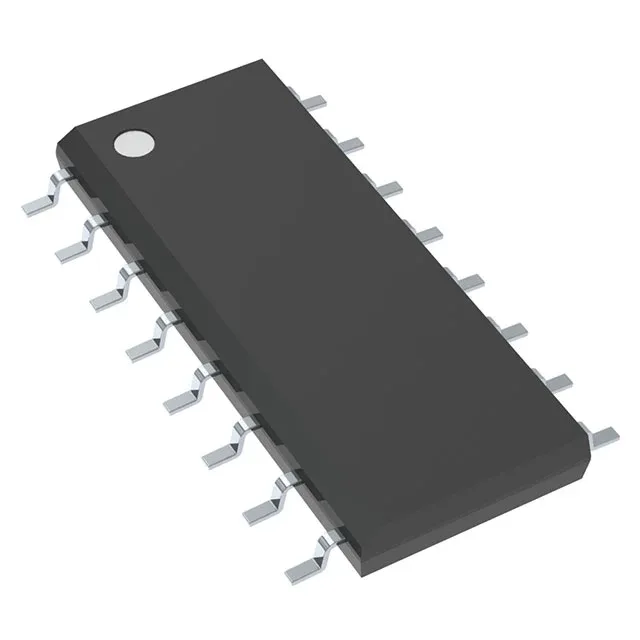
Texas Instruments MAX232ECDR — Interface & Transceivers

MAX232ECDR RS-232 Transceiver, 250 kbps, 16-SOIC

MPNMAX232ECDR
Active

Texas Instruments MAX232ECDR, RS-232 transceiver, full duplex, 2/2 drivers/receivers, 250 kbps data rate, 4.5 V to 5.5 V supply, 0°C to 70°C, 16-SOIC package.

$1.3300Ref. price · indicative, final on quote
Packaging16-SOIC (0.154", 3.90mm Width)
RoHSROHS3 Compliant
Independent supplier — new & surplus stockAuthenticity-screened · ESD-safe packingListing updated Aug 2026

Specifications

MAX232ECDR specifications
ParameterValue
TypeTransceiver
MountingSurface Mount
Supply voltage4.5V ~ 5.5V
ProtocolRS232
Operating temperature0°C~70°C
DuplexFull
PackageTape & Reel (TR); Cut Tape (CT)
Data rate250kbps
Case16-SOIC (0.154\", 3.90mm Width)
Receiver hysteresis500 mV
Number of drivers (Receivers)2/2

Product details

250 kbps RS-232 link — what the data rate buys you

The MAX232ECDR is a Texas Instruments RS-232 transceiver in the classic MAX232 family, delivering full-duplex serial communication at 250 kbps. That data rate covers the common 115200 baud with margin, and handles 230400 baud if the cable length is kept short and the load capacitance is within spec. The 2/2 driver/receiver count gives you a full UART port with RTS/CTS handshake lines, or two independent asynchronous channels.

That fits office equipment, test gear, instrumentation, and indoor industrial panels. It is not rated for the engine bay, outdoor telecom cabinets in direct sun, or cold-storage environments — for those you would step to the industrial-temperature MAX232 variant.

Package and footprint — 16-SOIC

The Cut Tape option is also listed for prototype or low-volume builds.

ROHS3 compliant.

Frequently asked questions

What is the data rate of MAX232ECDR?

The MAX232ECDR is rated for 250 kbps data rate. This covers standard baud rates up to 230400 with appropriate cable length and load conditions.

What are the equivalents of MAX232ECDR?

The MAX232ECDR is a member of the broad MAX232 family. Pin-compatible alternatives include the standard MAX232 and MAX232E variants from Texas Instruments and other manufacturers. The key difference is the data rate and ESD rating — verify the specific variant's specs against your application requirements.