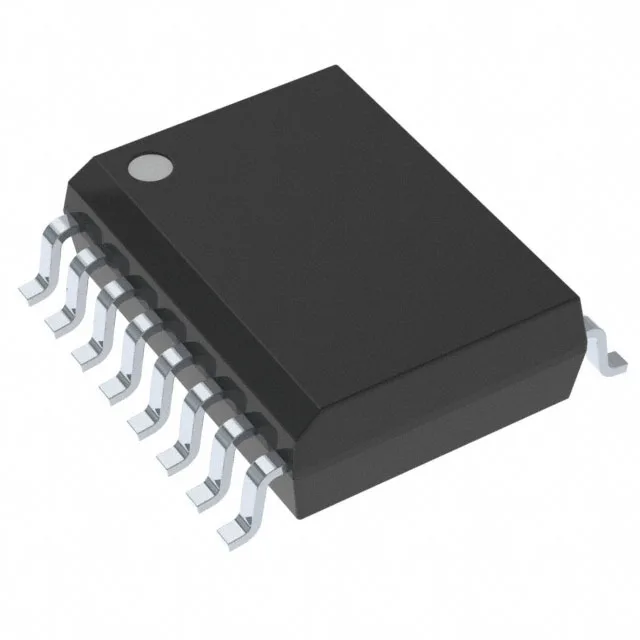
Texas Instruments MAX232DWG4 — Interface & Transceivers

MAX232DWG4 RS-232 Transceiver, 120 kbps, 16-SOIC

MPNMAX232DWG4
End of Life

Texas Instruments MAX232DWG4, RS232 transceiver, full duplex, 120 Kbps data rate, 2/2 drivers/receivers, 4.5V~5.5V supply, 16-SOIC (7.50mm width), 0°C~70°C, tube.

$1.6000Ref. price · indicative, final on quote
Independent supplier — new & surplus stockAuthenticity-screened · ESD-safe packingListing updated Aug 2026

Specifications

MAX232DWG4 specifications
ParameterValue
TypeTransceiver
MountingSurface Mount
Supply voltage4.5V ~ 5.5V
ProtocolRS232
Operating temperature0°C~70°C
DuplexFull
PackageTube
Data rate120Kbps
Case16-SOIC (0.295\", 7.50mm Width)
Receiver hysteresis500 mV
Number of drivers (Receivers)2/2

Product details

What this RS-232 transceiver does on the board

The Texas Instruments MAX232DWG4 is a 5V-only RS-232 transceiver that handles the level shifting between a UART's 0-5V logic and the ±5V to ±15V swing RS-232 bus needs. The 120 kbps data rate is the classic original MAX232 speed — fine for 115200 baud and slower legacy equipment, but not a match for the 1 Mbps capable MAX232A if you're pushing higher-throughput links. Supply range is 4.5V to 5.5V, so it's strictly a 5V rail part; don't try to run it off 3.3V without a boost converter.

It belongs in office equipment, point-of-sale terminals, lab instruments, and other indoor gear.

Housed in a 16-SOIC wide-body (7.50 mm width), surface-mount only. The wide-body footprint is less common than the narrow SOIC-16 (3.90 mm), so double-check your PCB land pattern before layout — a narrow pad set won't fit this part. Ships in tube, not tape-and-reel, which matters if your pick-and-place feeder expects a reel; you'll need to transfer to a compatible carrier or hand-place for low-volume builds.

The base number MAX232 has been second-sourced by multiple manufacturers for decades, so supply depth is good even if TI's own fab runs tight.

Frequently asked questions

What is the difference between MAX232 and MAX232A?

The key difference is data rate: the MAX232DWG4 is rated at 120 kbps, while the MAX232A typically supports 230 kbps or 1 Mbps depending on the variant. The MAX232A also uses smaller external charge-pump capacitors (0.1 µF vs 1.0 µF) and has tighter driver output swing. Pinout and package are identical, so a swap is straightforward if your firmware can handle the higher speed.

Is MAX232DWG4 RoHS compliant?

The 'G4' suffix in the order code indicates TI's green/RoHS-compliant lead-free finish. No separate RoHS certificate is needed for this variant — it's the standard offering for lead-free assembly.