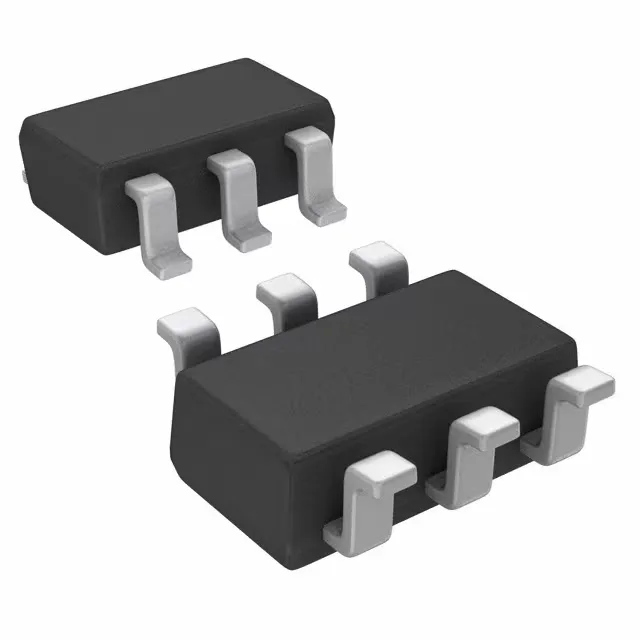
Texas Instruments LPV531MK/NOPB — Analog & Data Acquisition

LPV531MK/NOPB General Purpose Op-Amp, 4.6 MHz

MPNLPV531MK/NOPB
End of Life

Texas Instruments LPV531MK/NOPB, single general-purpose op-amp, 4.6 MHz gain bandwidth, 2.5 V/µs slew rate, rail-to-rail output, 425 µA supply, SOT-23-6 Thin / TSOT-23-6 package, -40°C to 85°C.

$1.79Ref. price · indicative, final on quote
PackagingSOT-23-6 Thin, TSOT-23-6
RoHSROHS3 Compliant
Independent supplier — new & surplus stockAuthenticity-screened · ESD-safe packingListing updated Aug 2026

Specifications

LPV531MK/NOPB specifications
ParameterValue
Output typeRail-to-Rail
MountingSurface Mount
Amplifier typeGeneral Purpose
Voltage - input offset1 mV
Voltage - supply span5.5 V
Current - supply425µA
Current - input bias0.05 pA
Current - output (Channel)24 mA
Operating temperature-40°C ~ 85°C
Gain bandwidth product4.6 MHz
PackageTape & Reel (TR); Cut Tape (CT)
Slew rate2.5V/µs
CaseSOT-23-6 Thin, TSOT-23-6
Number of circuits1

Product details

What this op-amp is and where it fits

The Texas Instruments LPV531MK/NOPB is a single-channel, general-purpose operational amplifier in a SOT-23-6 Thin package. It delivers a 4.6 MHz gain-bandwidth product and a 2.5 V/µs slew rate, drawing only 425 µA of supply current.

Key ratings and what they mean for the BOM

The 4.6 MHz GBW and 2.5 V/µs slew rate set the usable bandwidth for small-signal and large-signal paths. The 0.05 pA input bias current suits high-impedance sources.

Lifecycle and sourcing

The LPV531MK/NOPB is listed as Active and ROHS3 compliant. The part is sourced through independent distribution; availability and current pricing are confirmed at quote time against an RFQ.

Frequently asked questions

Does LPV531MK/NOPB support rail-to-rail output?

Yes, the LPV531MK/NOPB has a rail-to-rail output stage, allowing the output to swing close to the supply rails.

What is the closest functional equivalent for LPV531MK/NOPB?

The TLV9351IDCKR is a single general-purpose op-amp in the same SOT-23-6 footprint with a 3.5 MHz GBW and 20 V/µs slew rate, but it draws 600 µA supply current — a trade-off in speed versus power.